May 26, 2026
The safety of a commercial or residential structure depends heavily on the invisible networks of sensors and wiring that monitor for environmental threats. These systems serve as the primary line of defense in identifying potential hazards before they escalate into uncontrollable disasters. Without a properly functioning notification network, occupants remain at significant risk, and the potential for property damage during an incident could be catastrophic. Professional fire alarm inspectors play a critical role in this ecosystem, ensuring that every device and circuit meets the stringent requirements of local and national fire codes.
Their professional responsibilities are demanding and require a deep understanding of complex regulations. Ensuring that these systems operate flawlessly is not merely a matter of legal adherence but is a fundamental necessity for the well-being of every person within a structure. This detailed analysis explores the various ways these professionals maintain safety, the technical intricacies of modern detection systems, and the rigorous standards that govern their work. By understanding the breadth of their expertise, property owners can better appreciate the specialized labor required to maintain a safe environment.
Evaluating System Architecture
Assessing the specific design of a notification network is the first step in a comprehensive safety review. There are several types of systems designed to suit different building needs, and fire alarm inspectors must be able to differentiate between their unique operational requirements. Conventional setups utilize zones to identify the general location of a hazard, which is often sufficient for smaller structures. In contrast, addressable systems provide the exact details of which specific device triggered the alert, which allows for much faster response times in large complexes.
The choice of architecture is often dictated by the size of the building, the nature of the activities occurring inside, and the specific safety requirements of the jurisdiction. Modern wireless configurations provide flexibility for historical buildings where extensive wiring might be difficult to install, yet they require specialized testing to ensure signal strength is maintained. Regardless of the technology used, the core purpose of each system is the early detection of smoke or heat and the timely notification of occupants. Professional evaluators ensure that the chosen system architecture is appropriate for the building's current use and that it remains capable of meeting its design objectives.
Testing Individual Components
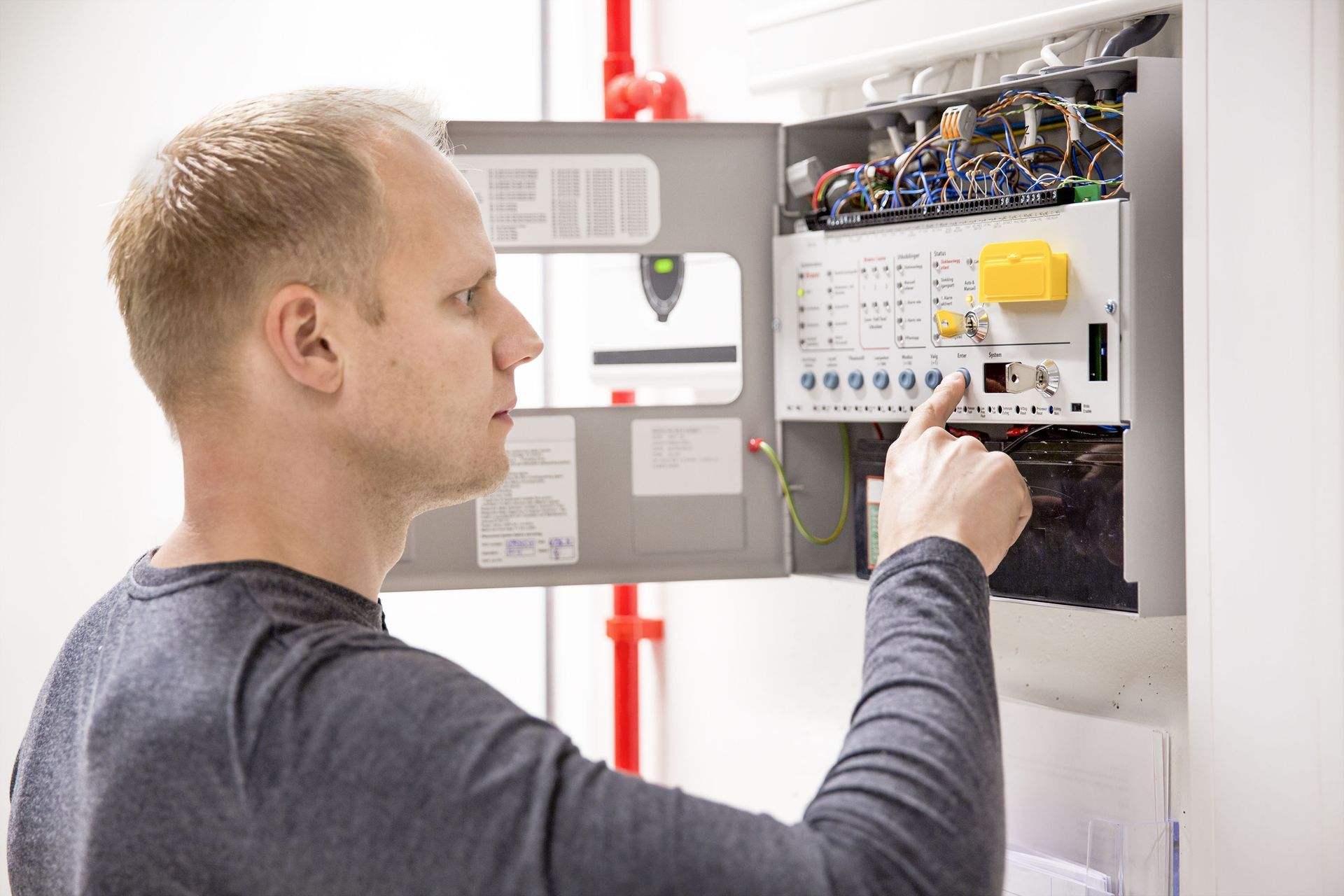
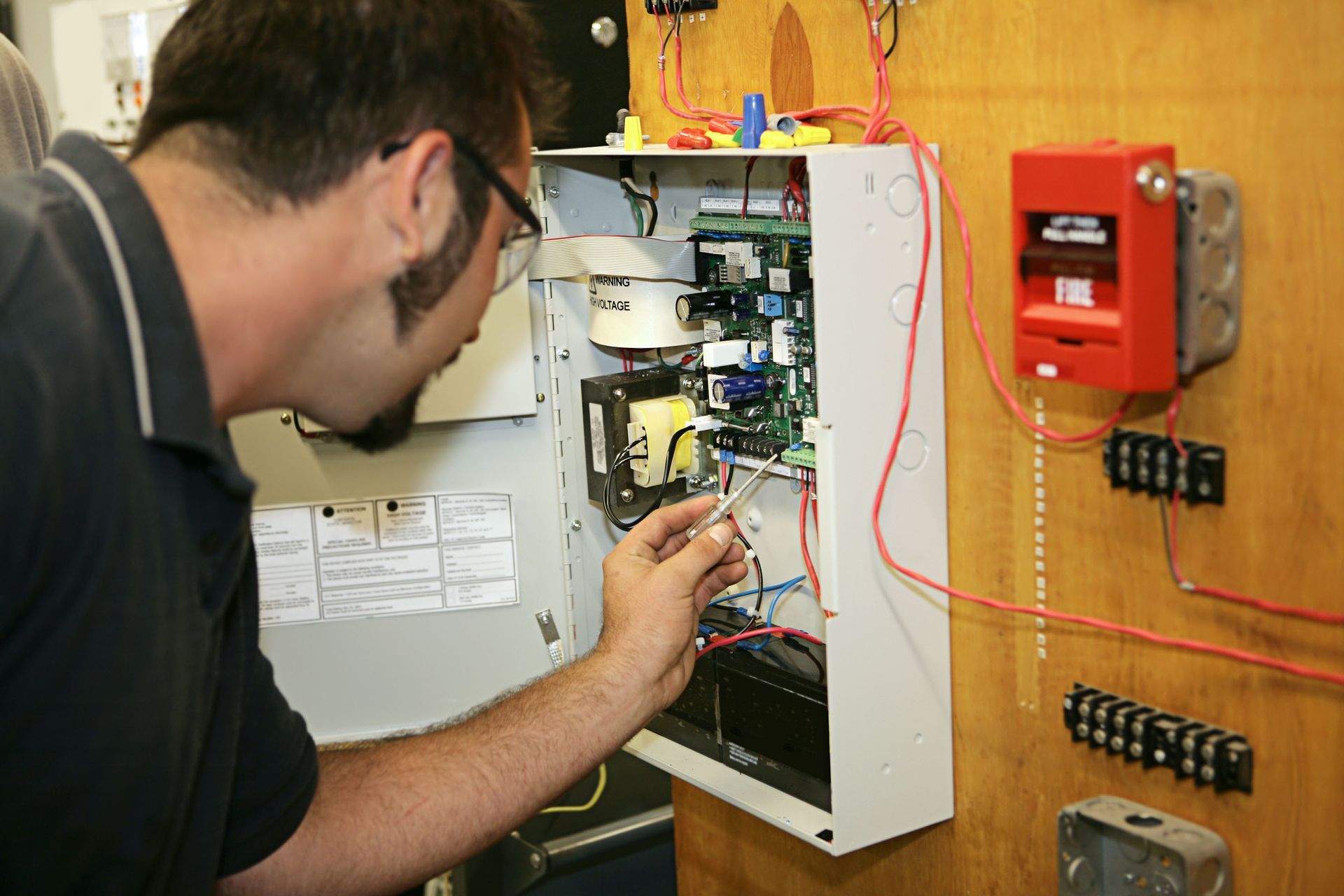
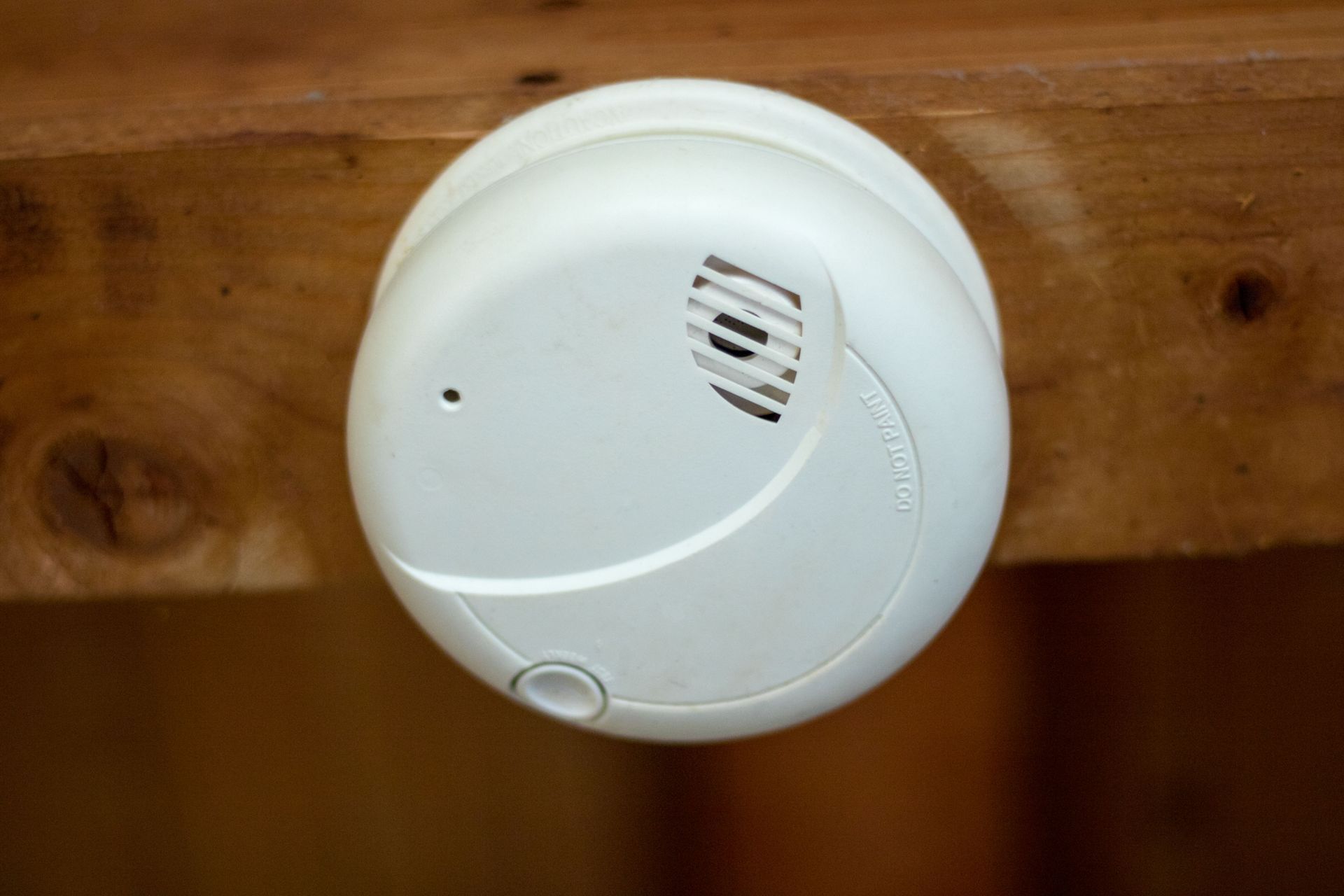
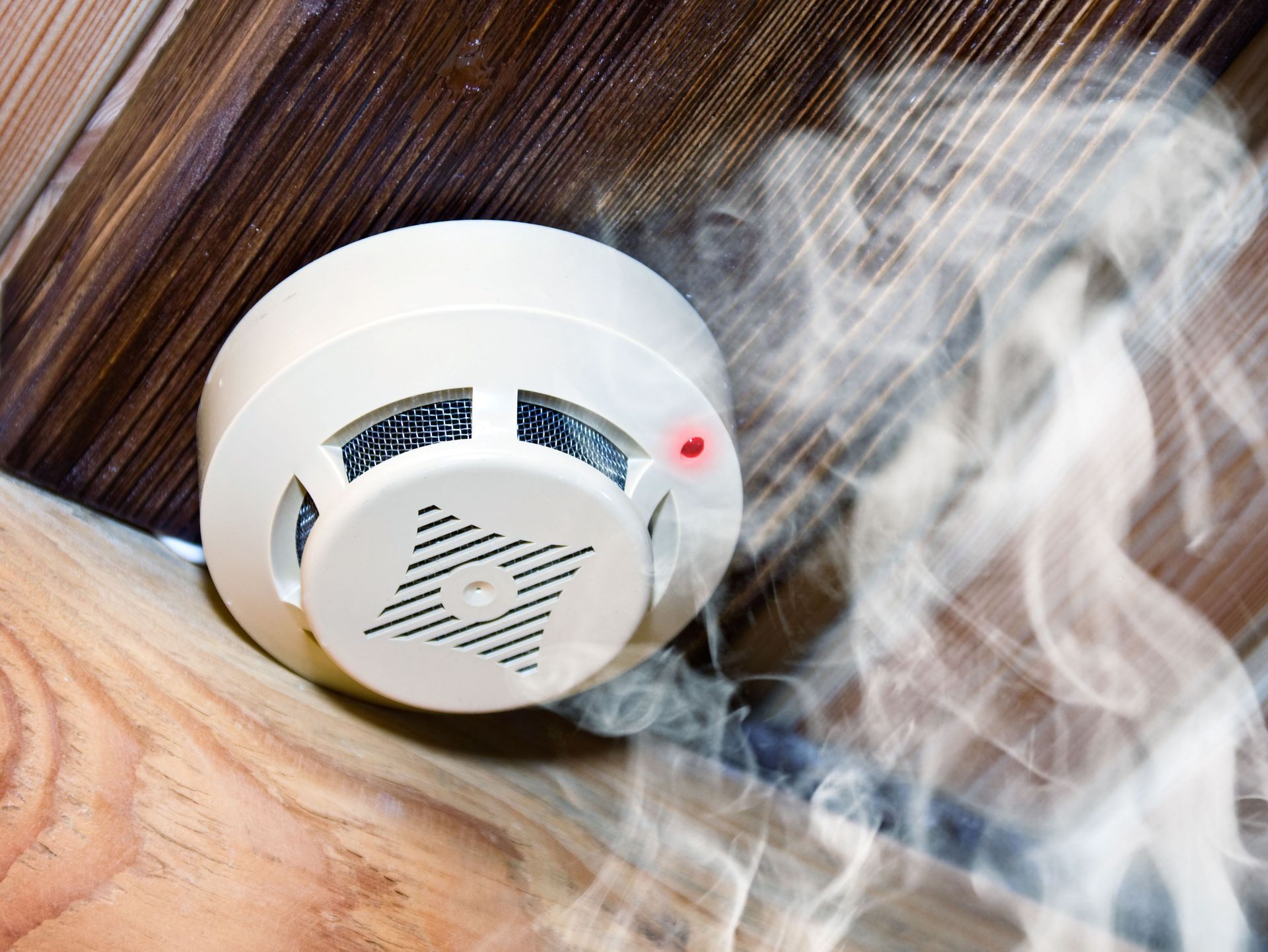
Every notification network is a complex assembly of individual parts that must work in perfect synchronization. At the heart of these systems sits the control panel, which acts as the brain by processing signals from various detectors and initiating the appropriate response. Detectors, including smoke and heat sensors, are critical to timely detection and must be strategically placed throughout the premises according to engineering specifications. Professional fire alarm inspectors meticulously test each of these devices to ensure they respond within the required timeframes and sensitivity ranges.
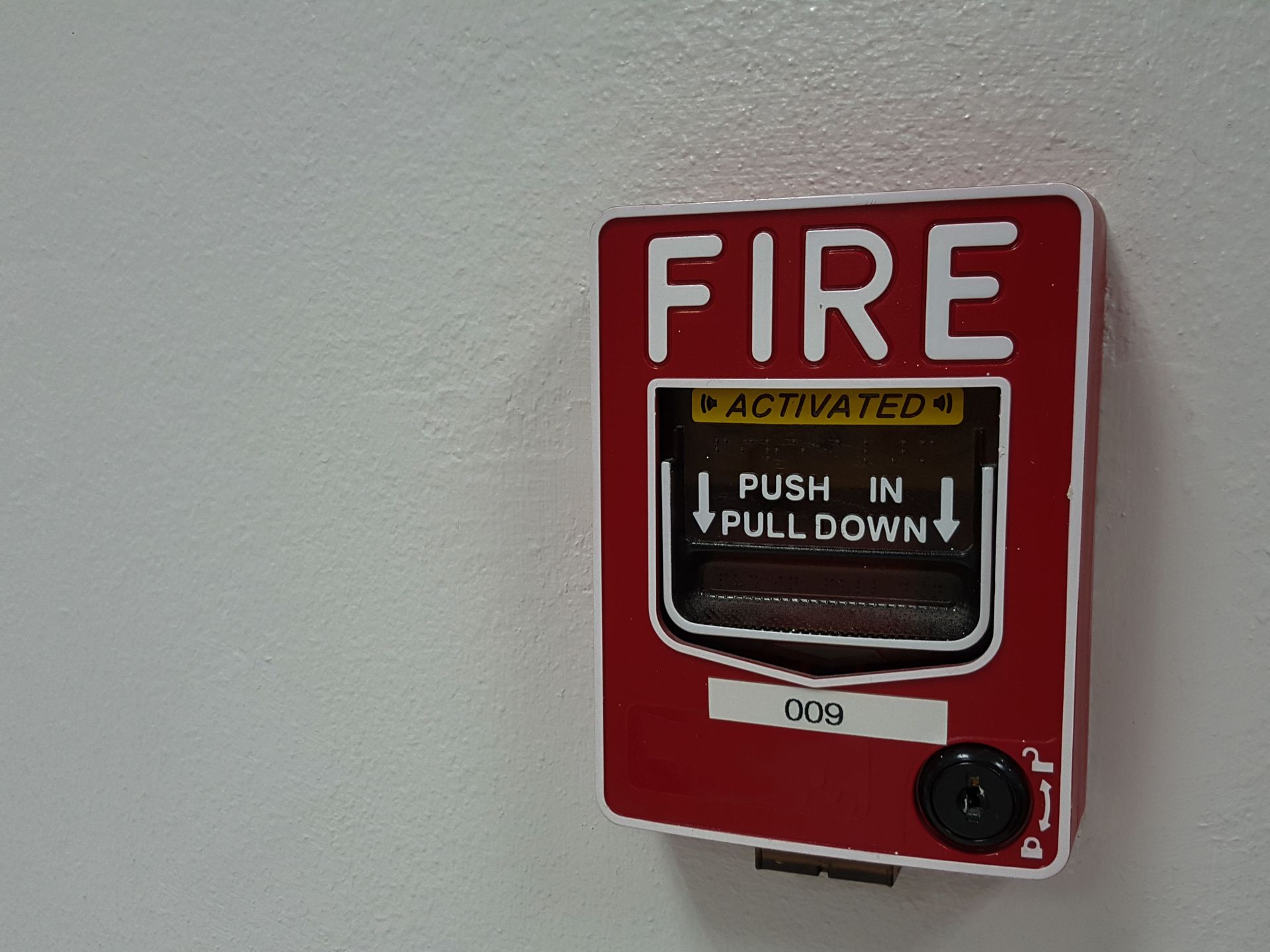
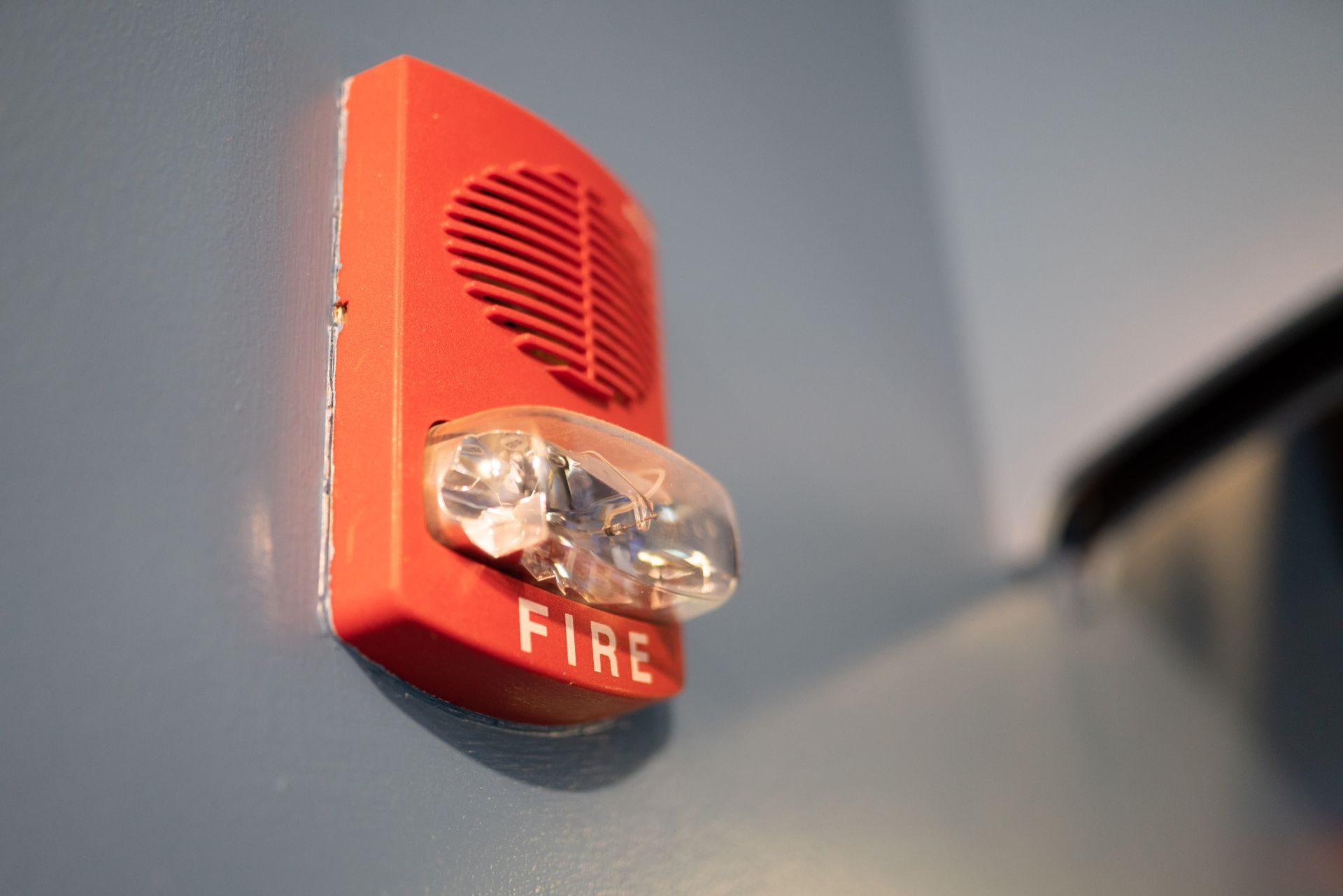
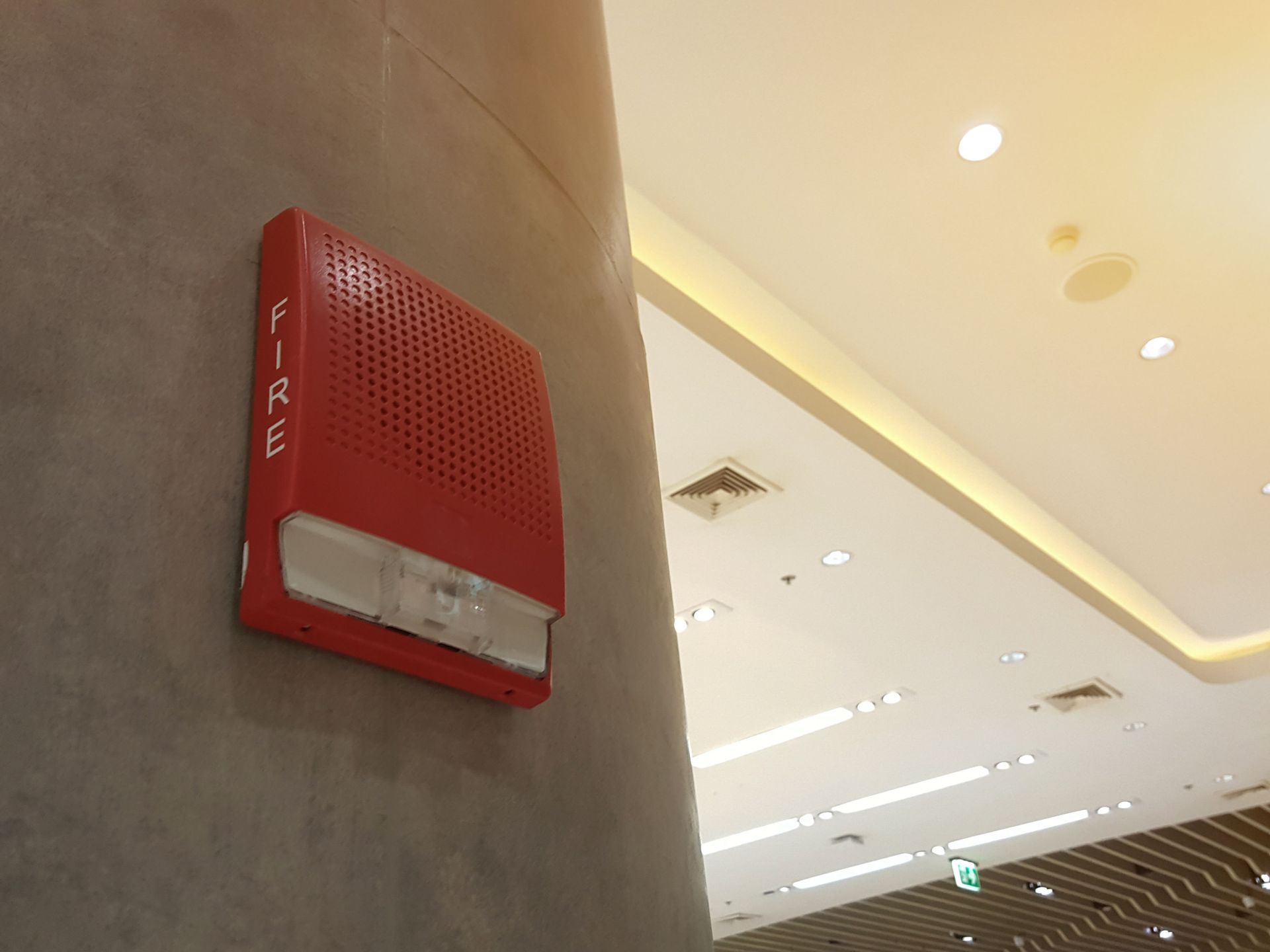
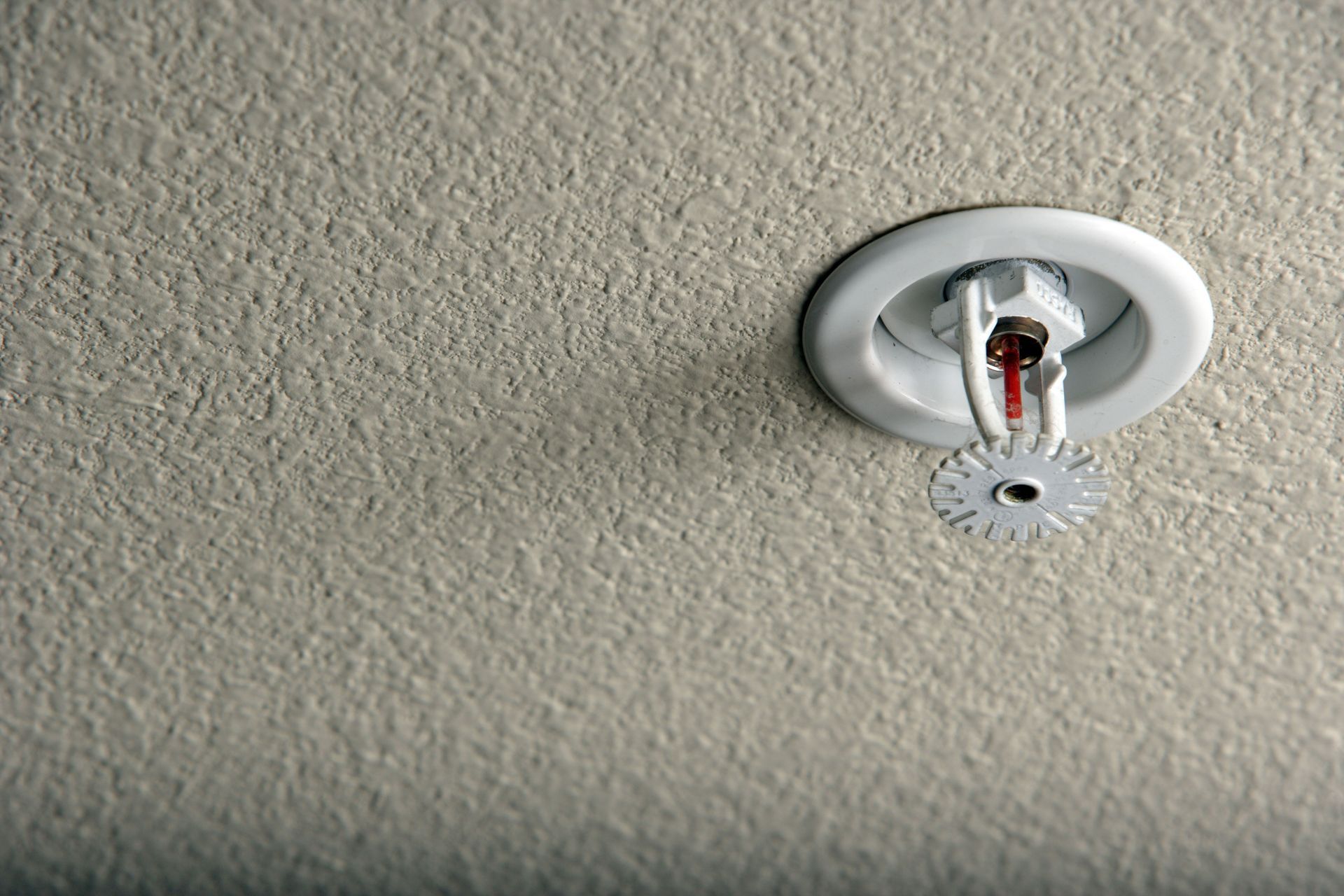
Notification devices such as horns, strobes, and speakers are equally important because they provide the actual warning to those inside the building. If a sensor works but the alarm fails to sound, the system has failed its primary mission. Other vital components include manual pull stations and auxiliary relay modules that can shut down HVAC systems or release magnetic door holders. Each of these parts must function seamlessly together to provide comprehensive protection. According to the American Fire Sprinkler Association, sprinkler systems can reduce fire damage by up to 97 percent, underscoring the importance of these systems in conjunction with alarms.
Verifying Code Compliance
Adherence to national and local safety standards is the benchmark for any professional inspection. These codes, often developed by organizations like the National Fire Protection Association, provide the detailed guidelines for installation, maintenance, and testing. Compliance ensures that the detection network is up to date with the latest safety protocols and technological improvements. Because these codes are updated every few years to account for new research and incident data, fire alarm inspectors must engage in continuous education to stay informed of the latest requirements.
Common issues identified during these reviews often involve improper installation or the use of outdated components that no longer meet modern sensitivity standards. Inconsistent maintenance can lead to component breakdowns that go unnoticed until a professional evaluation is performed. When a system is found to be non-compliant, it can lead to significant legal repercussions, including fines or the loss of insurance coverage. More importantly, non-compliance increases the risk of system failure during a real emergency.
Documenting Technical Findings
The record-keeping process is a vital aspect of the safety lifecycle for any commercial property. After an evaluation is complete, the results must be transcribed into a detailed report that outlines the status of every device tested. These documents serve as a legal record of the building's safety status and are often required by local fire marshals during their own annual reviews. Fire alarm inspectors produce these reports to provide property managers with a clear roadmap of any necessary repairs or upgrades required to maintain the integrity of the system.
Thorough documentation also helps in tracking the performance of the system over several years. By reviewing past reports, professionals can identify patterns of device failure or environmental factors that might be causing frequent false alarms. Accurate records are essential for insurance purposes and provide evidence that the building owner has exercised due diligence in maintaining life safety systems. This transparency ensures that all stakeholders, from the building owner to the local emergency responders, have a clear understanding of the system's operational readiness.
Advancing Safety Technology
The field of life safety is constantly evolving as new technologies are integrated into detection and notification hardware. Modern systems now feature advanced capabilities like remote monitoring, smart building integration, and high-sensitivity laser detection. These innovations allow for even earlier detection of potential threats and can significantly reduce the occurrence of false alarms. Expert fire alarm inspectors must be proficient in navigating these advanced digital interfaces to ensure that the software logic matches the physical layout of the building.
Integration with other building systems, such as smoke control and elevator recall, adds another layer of complexity to the inspection process. For example, in a high-rise building, the alarm system must coordinate with the HVAC system to prevent smoke from spreading to unaffected floors. Testing these interconnections requires a high level of technical skill and a comprehensive understanding of how different building systems interact during an emergency. As artificial intelligence and machine learning enter the market, the ability to predict system failures before they happen will become a standard part of the safety landscape. Staying at the forefront of these technological shifts is essential for anyone tasked with verifying the reliability of these critical networks.
Maintaining a robust fire detection system is an ongoing responsibility that requires the specialized skills of dedicated professionals. From the initial evaluation of system architecture to the final documentation of a successful test, every step of the process is designed to minimize risk and maximize protection. The complexity of modern fire codes and the technical nature of detection hardware mean that property owners cannot afford to overlook the necessity of professional oversight.
The presence of certified
fire alarm inspectors is the most effective way to ensure that a building's safety infrastructure is ready for the moment it is needed most. These experts provide the objective verification required to guarantee that detectors, panels, and notification devices will perform their life-saving functions without delay. For those seeking to uphold the highest standards of safety and regulatory compliance, partnering with a professional service is the logical choice. Ensure your property is protected and your systems are fully operational by contacting Southern Kentucky Fire and Sprinkler to schedule your comprehensive inspection today.