June 22, 2026
Creating a secure environment requires a thorough approach to property protection and life safety. Implementing a robust framework ensures that occupants receive immediate alerts during an emergency, allowing for orderly evacuations and minimizing property damage. Understanding how these systems function helps managers make informed decisions regarding equipment selection and long-term regulatory compliance, the essential elements of a modern fire alarm setup, focusing on early detection and rapid notification protocols. Through proactive design, structures can maintain the highest standards of life safety protection.
Understand Core System Components
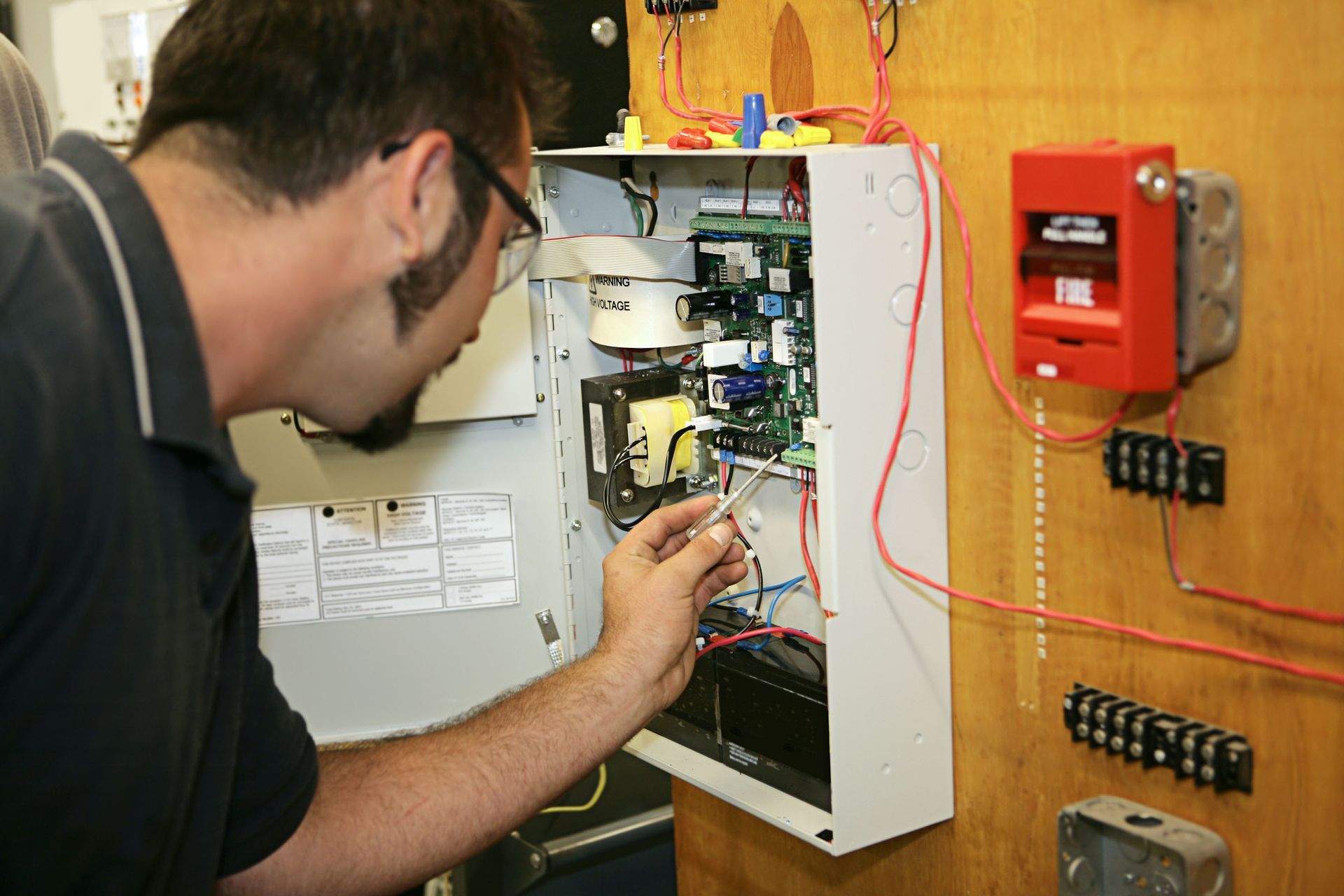
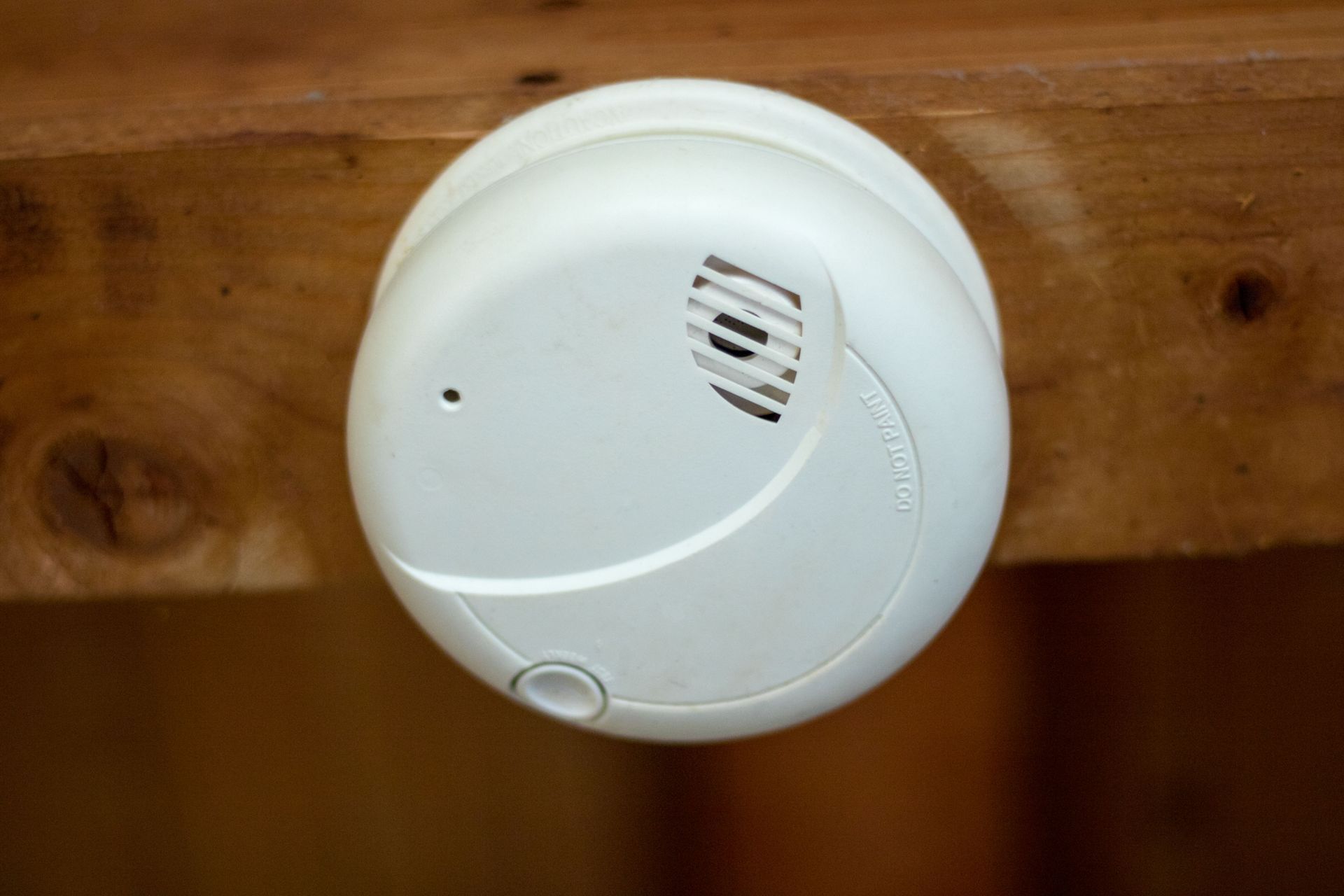
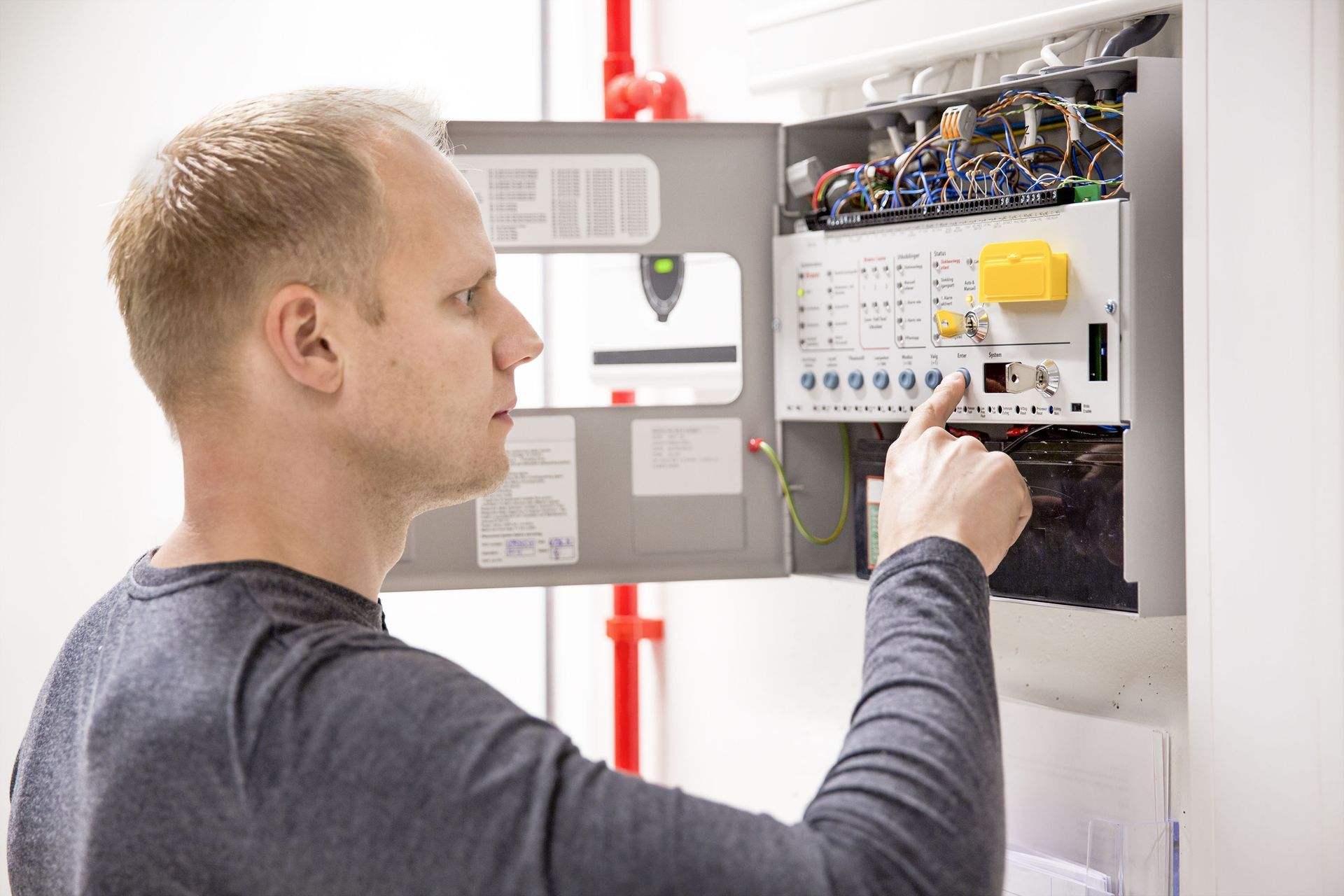
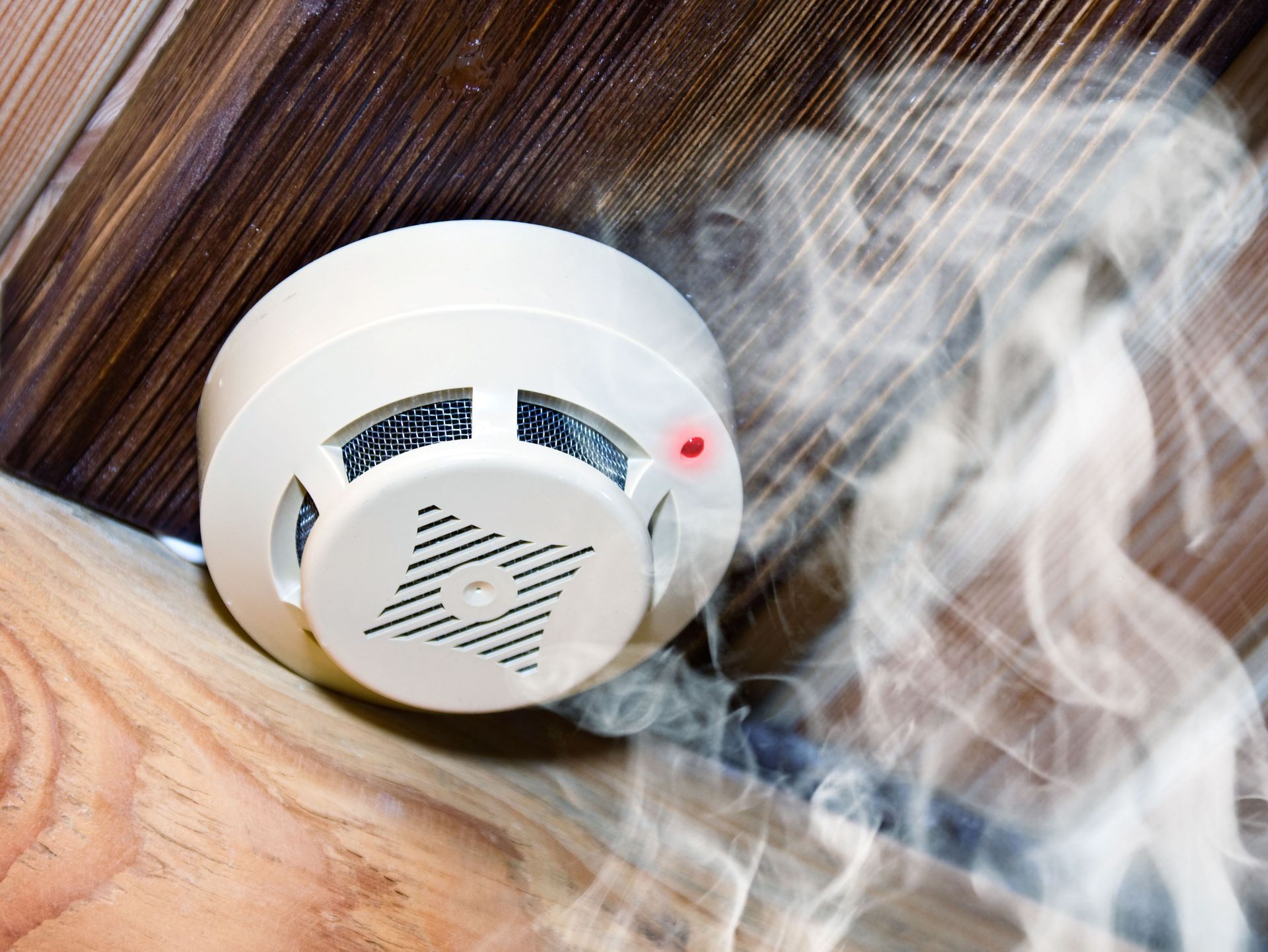
Smoke and thermal detectors serve as the primary line of defense in any building safety strategy, identifying airborne particles or temperature spikes at the earliest stages of combustion. These devices are strategically positioned throughout hallways and mechanical rooms to maximize coverage and ensure rapid identification of emerging threats. When a sensor triggers, the signal travels instantly to the main fire alarm control board, which acts as the operational brain of the infrastructure by interpreting data and coordinating immediate emergency deployment.
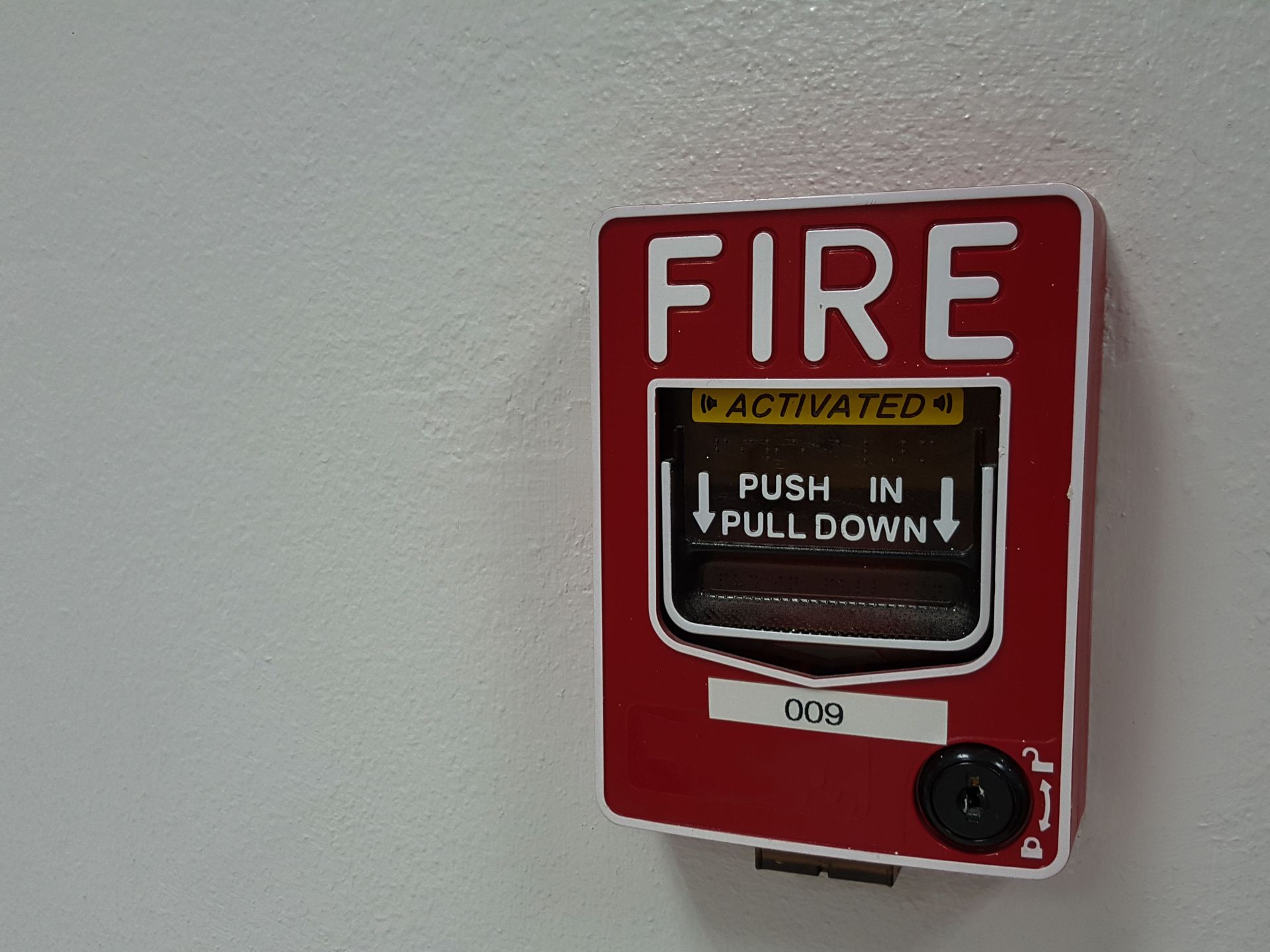
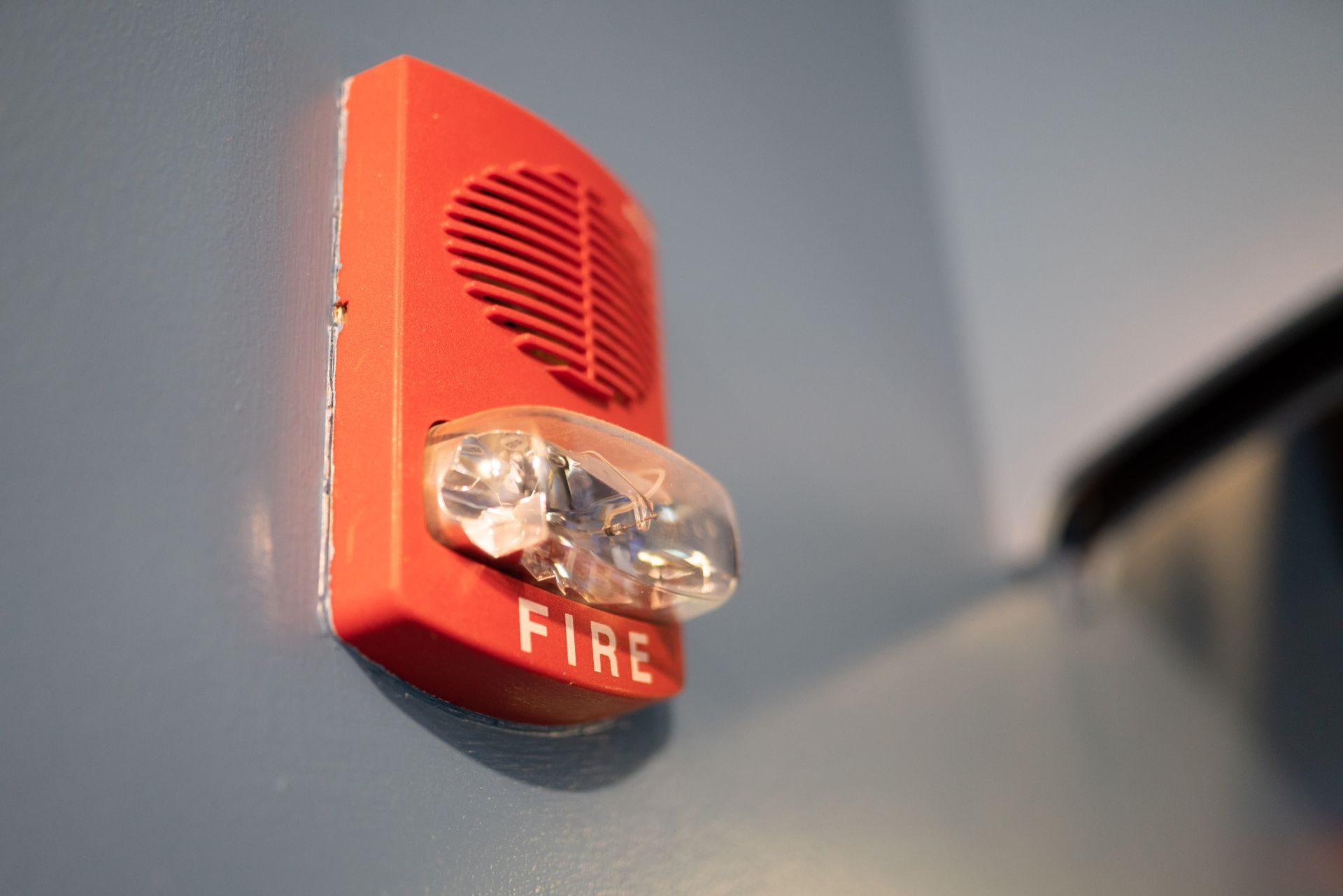
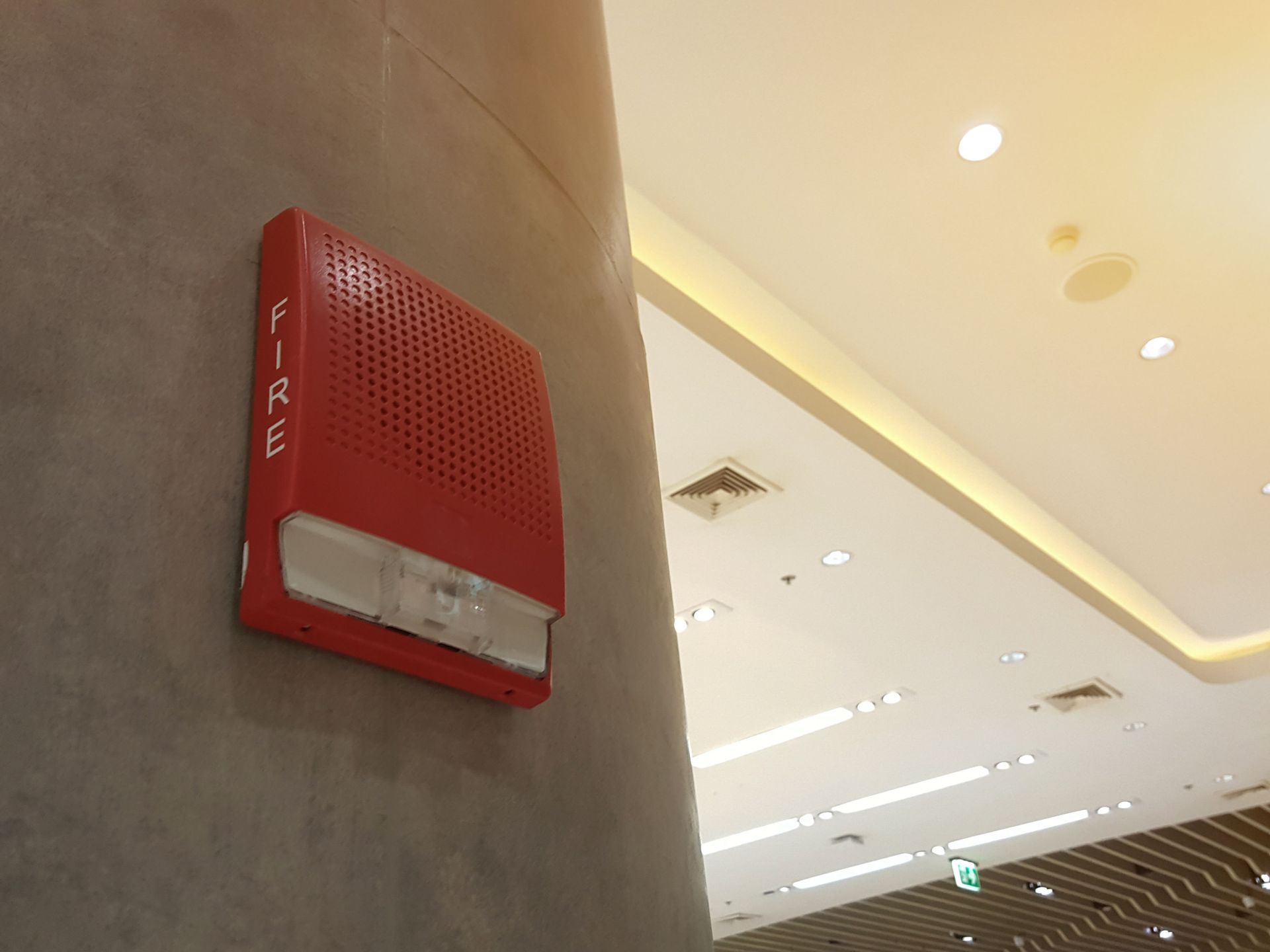
Manual pull stations add a vital layer of human oversight, allowing occupants to trigger an emergency broadcast immediately upon discovering a hazard near exit pathways. When activated, these stations engage high-decibel horns and synchronized strobe lights designed to pierce through ambient noise and assist individuals with sensory impairments. Proper placement of these signaling devices guarantees total facility coverage, eliminating isolated zones where alerts might go unnoticed. Maintaining clear communication between components ensures that life-saving information reaches everyone inside without delay.
Evaluate Different System Types
A conventional fire alarm system utilizes a simplified design that divides a facility into distinct physical zones, with multiple hardware devices wired to a shared circuit. When a sensor triggers an alert, the main panel identifies the general zone involved but cannot specify the exact device that initiated the signal. This localized approach works efficiently for smaller properties, such as retail shops or low-rise offices, where finding a hazard takes very little time. Because these setups require straightforward configurations, they offer a budget-friendly option for simple building layouts.
Addressable setups provide superior precision by assigning a unique digital identity to every individual detector on the network, allowing real-time status monitoring from a central interface. Wireless and hybrid configurations build upon this flexibility by using secure radio frequencies to connect components, reducing installation times and structural disruption in historical properties. Specialized aspirating systems draw air through overhead pipes to provide highly sensitive early warnings for critical environments like data centers. Choosing the appropriate architecture ensures monitoring capabilities perfectly match the structural complexity of the property.
Execute Proper Installation Steps
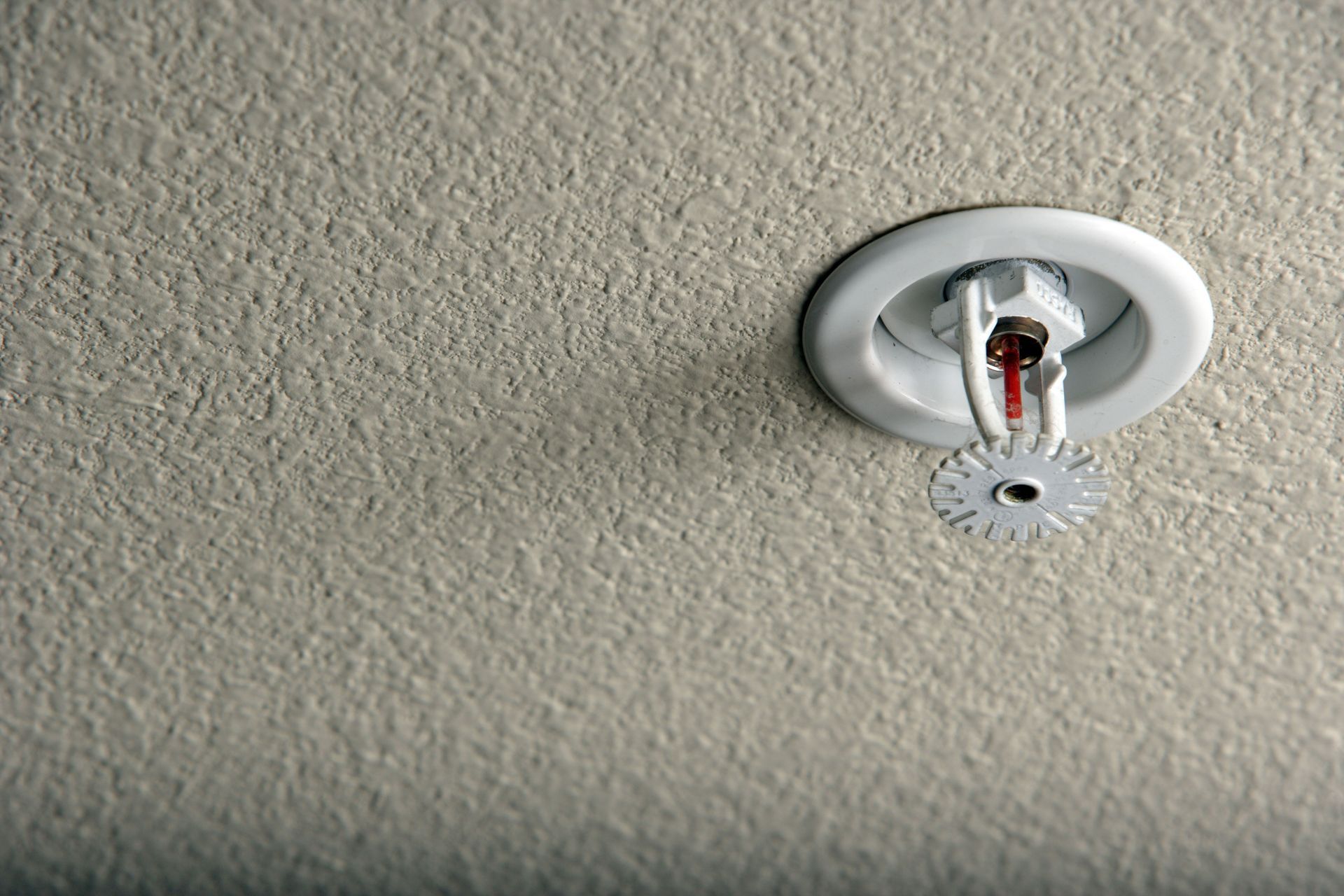
The initial phase of deploying a fire alarm network requires meticulous planning and a detailed analysis of the building's physical layout, occupancy constraints, and specific risk factors. Engineers must carefully chart the placement of every sensor to eliminate gaps in coverage and prevent environmental factors from causing false alarms. This planning stage also involves coordinating with other active defense measures, such as automated suppression mechanisms, to establish a unified response strategy. According to data from the city of Newport Beach, when you combine residential smoke detectors with a dedicated fire sprinkler system, the likelihood of a fatal residential fire decreases by 82% compared to properties lacking both protective measures.
Satisfying rigid electrical standards and positioning guidelines remains a critical component of ensuring long-term operational readiness during an emergency. Installation professionals must route survival-rated cabling through protective pathways to guard against physical impact, moisture infiltration, and unauthorized tampering. Adhering strictly to national safety standards, such as guidelines from the National Fire Protection Association, guarantees compliance and optimal performance. Regular structural reviews ensure that changing room configurations do not accidentally isolate devices or block visual strobe indicators.
Perform Regular System Maintenance
Routine fire alarm maintenance protocols ensure that every component of the safety network remains operational and ready to respond at a moment's notice. Technicians must clear accumulated dust from delicate sensor chambers, check backup battery health, and visually inspect manual stations for physical damage. Establishing a predictable maintenance cadence prevents unexpected equipment degradation and shields the property from costly emergency repair fees. Facility coordinators should follow a structured inspection template that mirrors manufacturer recommendations to ensure no device is overlooked.
Rigorous testing procedures simulate emergency conditions to verify that communication pathways between detectors, control interfaces, and notification appliances remain intact. These scheduled exercises involve introducing calibrated smoke to individual sensors to confirm their sensitivity settings fall within acceptable parameters. While onsite staff handles basic visual inspections, complex troubleshooting and repairs require the specialized skills of certified technicians. Maintaining detailed digital logs of these service visits creates a reliable paper trail that proves a proactive commitment during official audits.
Integrate Modern Detection Technologies
Smart detection platforms are completely changing how modern properties manage emergency risks by using advanced algorithms to analyze environmental data in real time. These intelligent devices distinguish between harmless kitchen steam and actual combustion, drastically reducing false alarms that cause evacuation fatigue. Connecting these systems to network architectures allows facility managers to receive instant status updates and fire alarm notifications directly on mobile devices. This constant stream of real-time data enhances situational awareness, allowing remote operators to coordinate with local responders instantly.
Modern multi-criteria sensors offer an exceptional level of protection by combining smoke, thermal, and carbon monoxide monitoring into a unified housing. Continuous offsite monitoring capabilities provide constant protection, ensuring that emergency communication channels remain active even when the building is empty. Innovative industry trends continue to push boundaries by introducing self-diagnostic components and wireless mesh communications that automatically reroute signals if a primary pathway becomes damaged. Adopting these engineering shifts prepares a commercial facility to handle changing regulatory codes with complete confidence.
Analyze Lifetime Financial Benefits
Conducting a detailed financial analysis helps building owners understand the long-term value generated by upfront investments in safety infrastructure. While initial procurement and deployment costs vary based on facility scale, these expenses are quickly offset by the preservation of physical assets and business continuity. Financial advantages include substantial reductions in commercial property insurance premiums and protection against devastating liability claims following an incident. Looking at these expenditures as a strategic asset protection strategy rather than a regulatory burden highlights the economic wisdom of prioritizing life safety.
A highly efficient fire alarm network ensures that occupants evacuate safely while giving first responders the precise information they need to contain a fire before it spreads. Selecting the ideal protection setup requires evaluating the total cost of ownership, including ongoing maintenance, battery replacements, and future technological adaptations. Prioritizing high-quality components minimizes the frequency of unexpected component failures and keeps lifetime operational costs manageable. Making a smart, calculated investment in modern infrastructure guarantees that your property remains legally compliant, secure, and prepared for future upgrades.
Securing a commercial or residential property requires a dedicated commitment to modern detection infrastructure, proper hardware deployment, and consistent professional oversight. By prioritizing advanced components, executing disciplined installation practices, and maintaining rigid testing schedules, facility managers create a safe indoor environment. Staying proactive against fire risks preserves valuable assets, fulfills mandatory legal codes, and provides peace of mind to everyone inside the building. To secure your building with high-quality fire alarm protection, partner with us at Southern Kentucky Fire and Sprinkler to protect your property and community.