July 24, 2026
Public safety and regulatory compliance rely heavily on the hidden infrastructure within our modern buildings. Fire alarm systems serve as the initial line of defense when a crisis occurs, acting to prevent casualties and minimize substantial property damage. The specialized professionals who evaluate these mechanisms play a crucial role in validating that emergency systems remain fully functional. Because urban environments continue to grow more complex, understanding how these safety networks operate is necessary for recognizing the broader context of modern safety management.
Every commercial structure and residential complex requires consistent oversight to guarantee that its notification networks are prepared for a crisis. Dedicated fire alarm inspectors provide the technical expertise needed to examine complex control panels, audible horns, and heat sensors. Their daily effort directly intersects with evolving regional regulations and shifting technological advancements. By examining what these professionals teach us about code compliance, property owners can better understand the meticulous coordination required to maintain safe human habitats.
Understanding the Role of Fire Alarm Inspectors
Fire safety measures have evolved significantly from the rudimentary practices of early human settlements. Initial protocols relied mostly on manual community awareness and simple bucket brigades to extinguish flames. As architectural designs advanced and population density increased, municipal leaders recognized the absolute necessity for structured, automated systems. This transition led directly to the development of national codes and established standardized alerting networks. The historical trajectory highlights a progressive improvement in safety engineering, creating a clear demand for certified fire alarm inspectors to verify system readiness.
The more formalized approach to fire safety, particularly after disastrous fires in the past, has precipitated significant legislative action and infrastructure investment. According to Ready.gov, a small flame can become a major fire in less than 30 seconds, emphasizing the importance of a quick response. Modern detection systems require specific technical expertise to monitor, manage, and maintain effectively over time. Consequently, professional inspectors have become an integral part of property management, ensuring that every sensor remains fully operational and aligned with contemporary legal demands.
Executing Routine System Evaluations
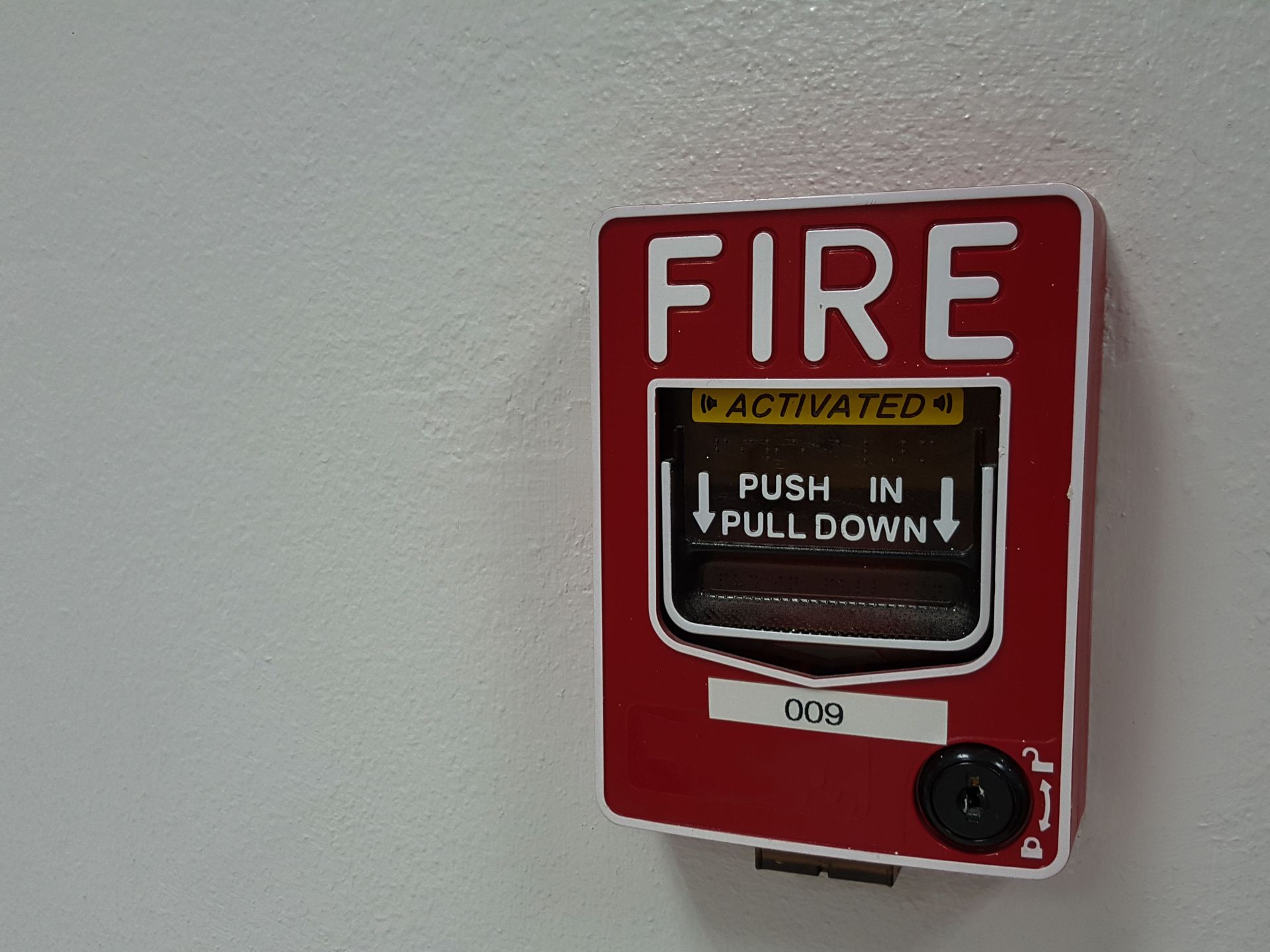
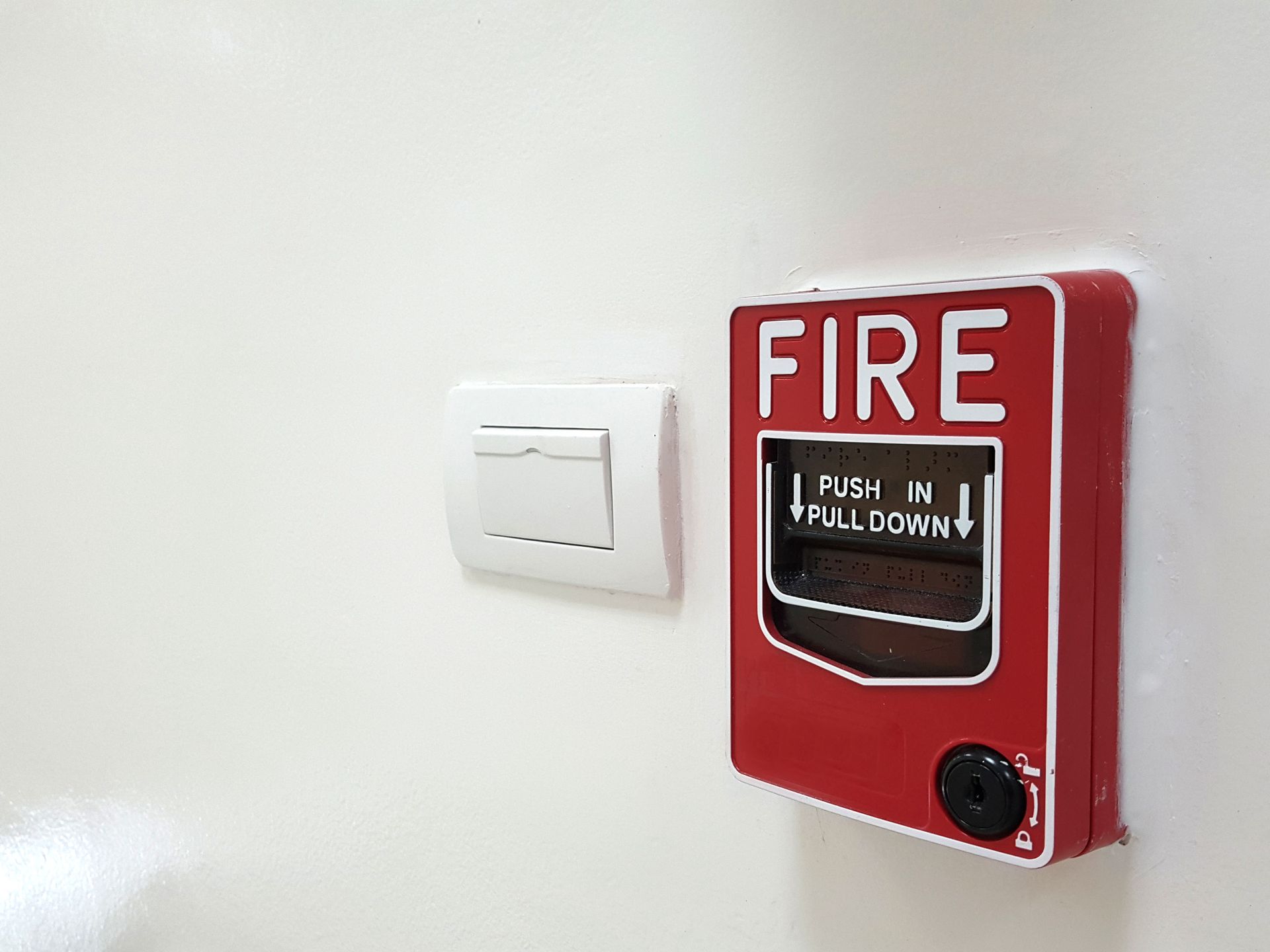
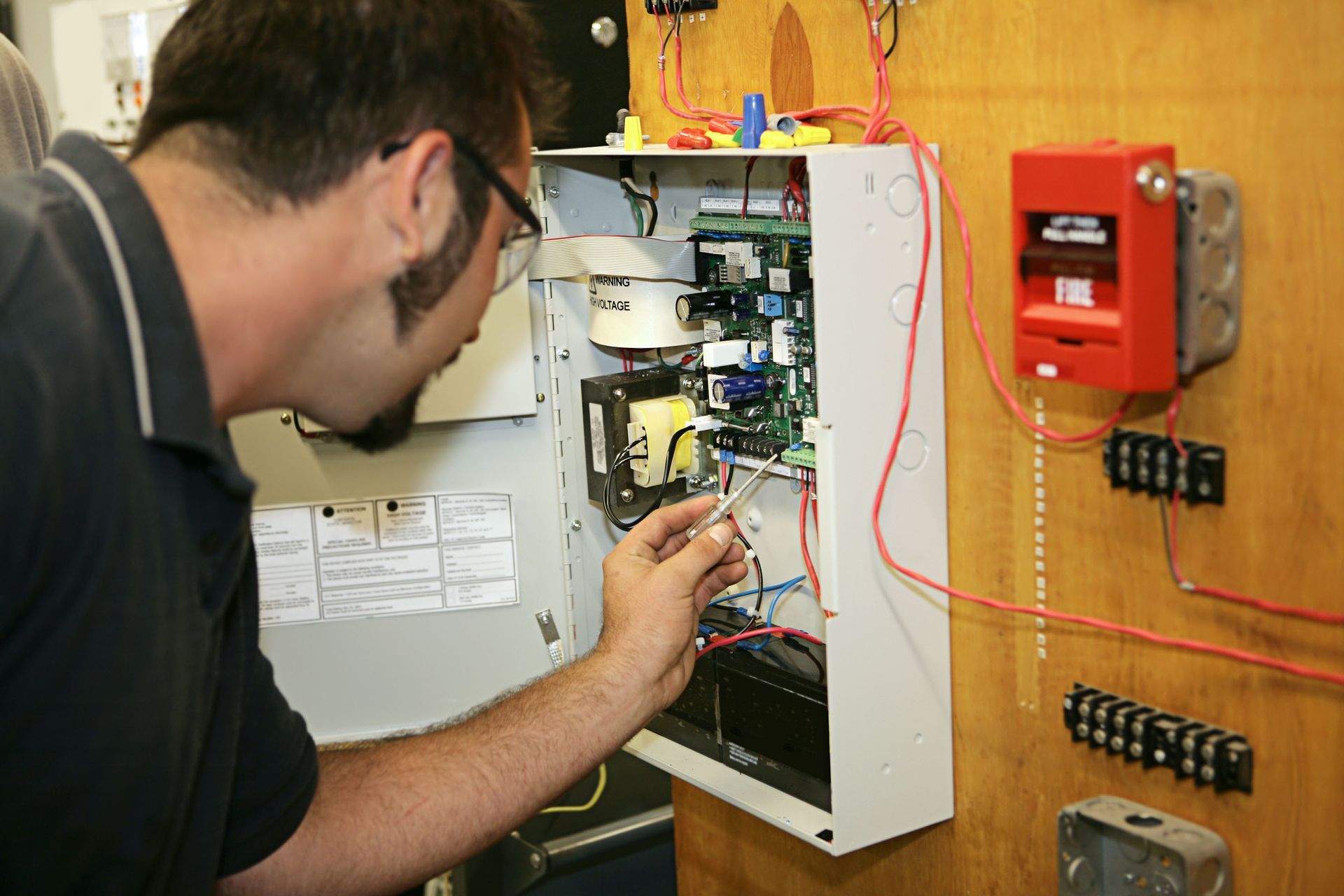
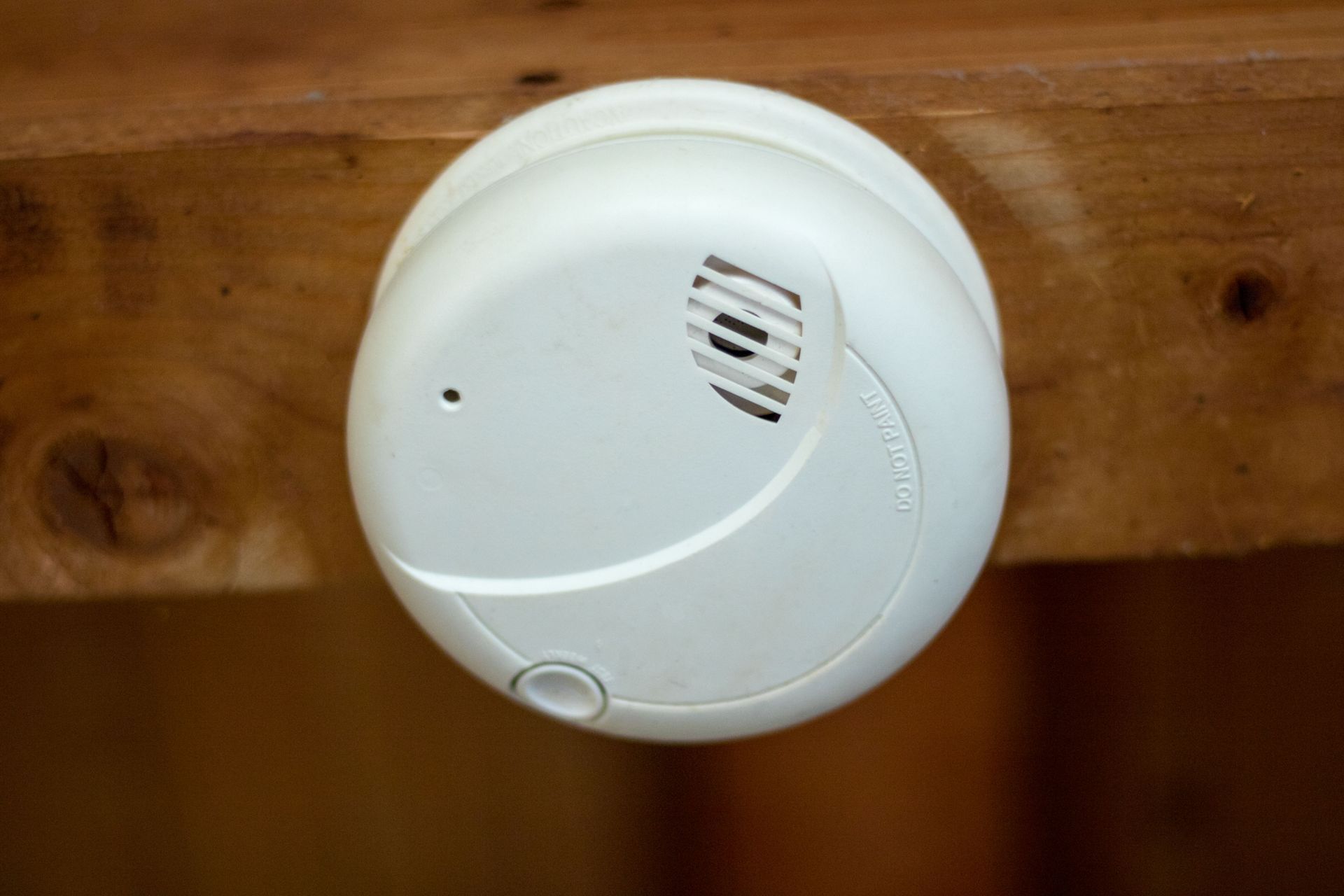
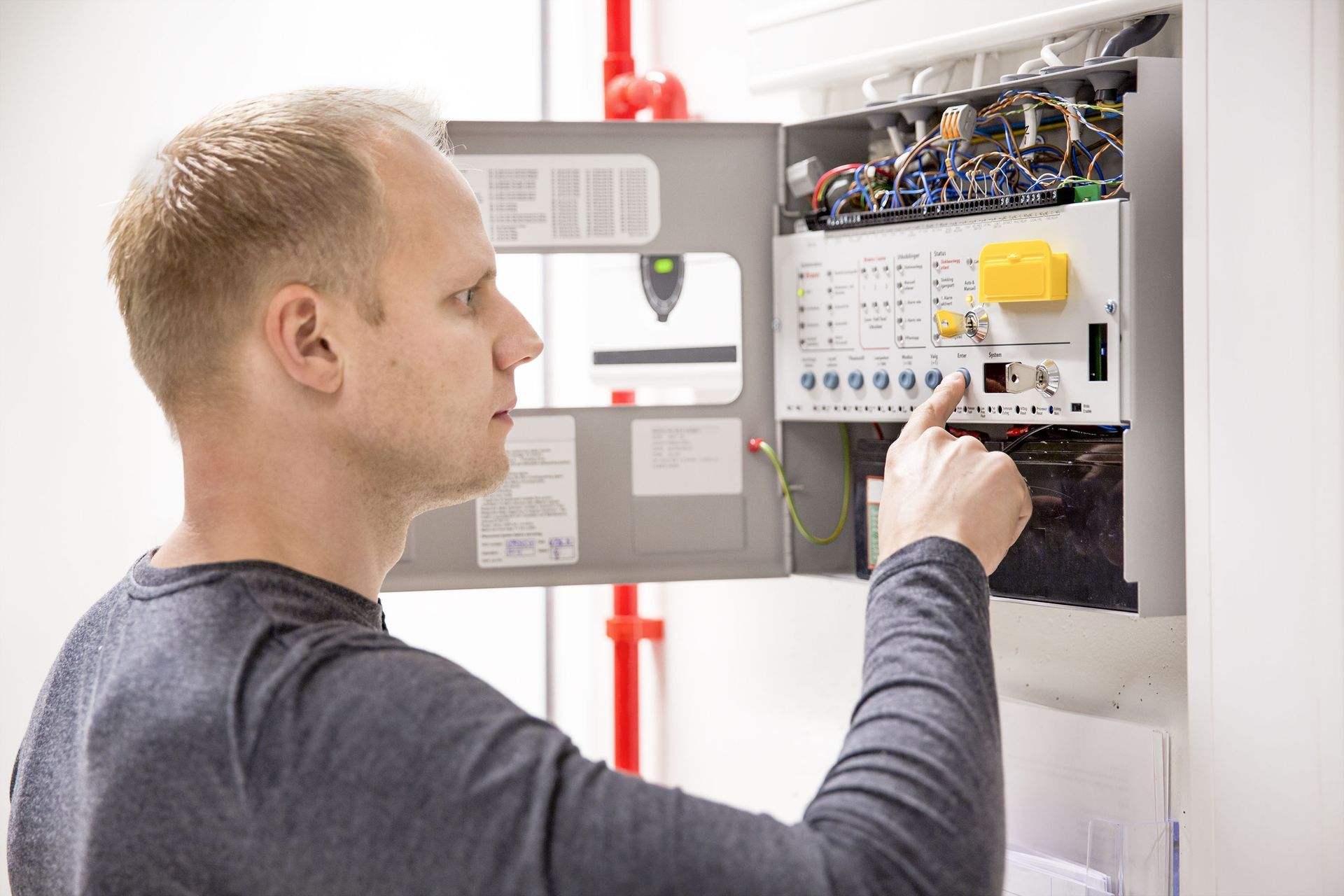
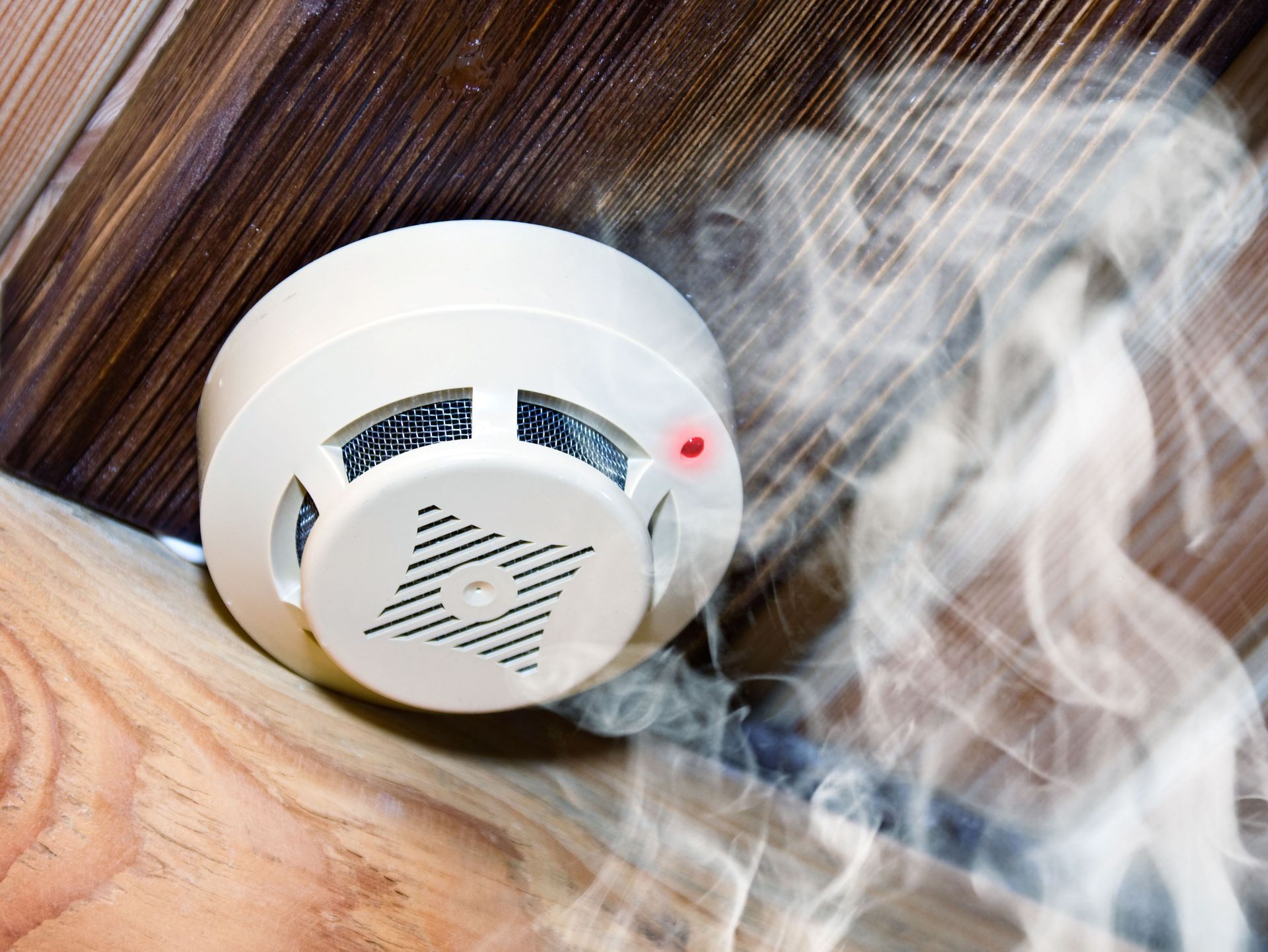
The daily responsibilities of a field technician require an exceptional attention to detail during every property walkthrough. Qualified professionals conduct regular site visits to assess physical components and verify that everything meets current safety mandates. They manually test smoke detectors, pull stations, and battery backups to confirm proper communication with the central panel. Documenting these specific findings serves as a critical ledger for building owners, providing a transparent record that proves consistent adherence to local ordinances.
Quality control remains a dominant focus during these daily building walkthroughs, as technicians must verify that recent hardware upgrades comply with updated regulations. This persistent oversight ensures that any technological advancements are correctly integrated into the existing framework of the property. Identifying and mitigating hidden risks before they develop into emergency hazards is a primary objective of these site visits. Through continuous diligence, fire alarm inspectors help prevent unexpected system malfunctions that could result in catastrophic property loss.
Acquiring Mandatory Professional Credentials
Field technicians must complete rigorous educational programs to gain the necessary expertise for evaluating complex electrical networks. Certification courses are designed to cover a diverse range of topics, including basic fire science, electrical engineering, and regional building codes. Understanding how specialized components interact with primary control systems is essential for conducting an accurate physical audit. Training involves both classroom study and practical field experience to prepare candidates for the unpredictable challenges of the job.
Obtaining an initial license is merely the first step in a long professional journey focused on public welfare. Practicing fire alarm inspectors must regularly participate in continuing education courses to maintain their credentials as technology advances. This ongoing learning framework is mandatory because regulatory codes and wireless notification tools change frequently. By maintaining an accurate, updated skill set, these certified experts preserve high operational standards across all types of commercial infrastructure.
Utilizing Independent Evaluation Services
Independent assessments provide an objective perspective that is necessary for maintaining the true integrity of a facility safety network. When an outside entity reviews an alerting system, it eliminates potential conflicts of interest that might occur if the installing contractor conducted the review. This procedural separation ensures that the final evaluation remains completely unbiased and focused solely on performance. Third-party fire alarm inspectors bring an analytical perspective to the property, which helps uncover hidden deficiencies that internal staff might overlook.
The presence of an external evaluator creates a strong sense of accountability for building managers and maintenance contractors. Knowing that an independent expert will analyze the infrastructure encourages stakeholders to prioritize thoroughness during initial installations. This process provides property owners with verifiable documentation regarding the operational readiness of their safety equipment. Furthermore, objective reports often highlight specific system inefficiencies, providing a valuable blueprint for future capital improvements.
Navigating Regional Regulatory Codes
The legal framework governing commercial infrastructure is extensive and serves as a foundational pillar of modern risk management. Field technicians operate within a complex matrix of local, state, and federal laws designed to protect public welfare. These legal mandates establish the exact testing frequencies and performance criteria that every property must satisfy. Navigating this multi-layered regulatory environment requires professional inspectors to remain constantly aware of shifting statutory expectations.
Standardization organizations, such as the National Fire Protection Association, establish the baseline rules for designing and testing emergency alert networks. Local municipalities frequently adopt these guidelines while adding specific amendments tailored to regional geographic hazards. Expert fire alarm inspectors are responsible for verifying that these diverse rules are successfully applied to the physical hardware inside every building. Their specialized knowledge bridges the gap between written legislation and daily operational reality, protecting occupants from unseen hazards.
Understanding System Interconnectivity
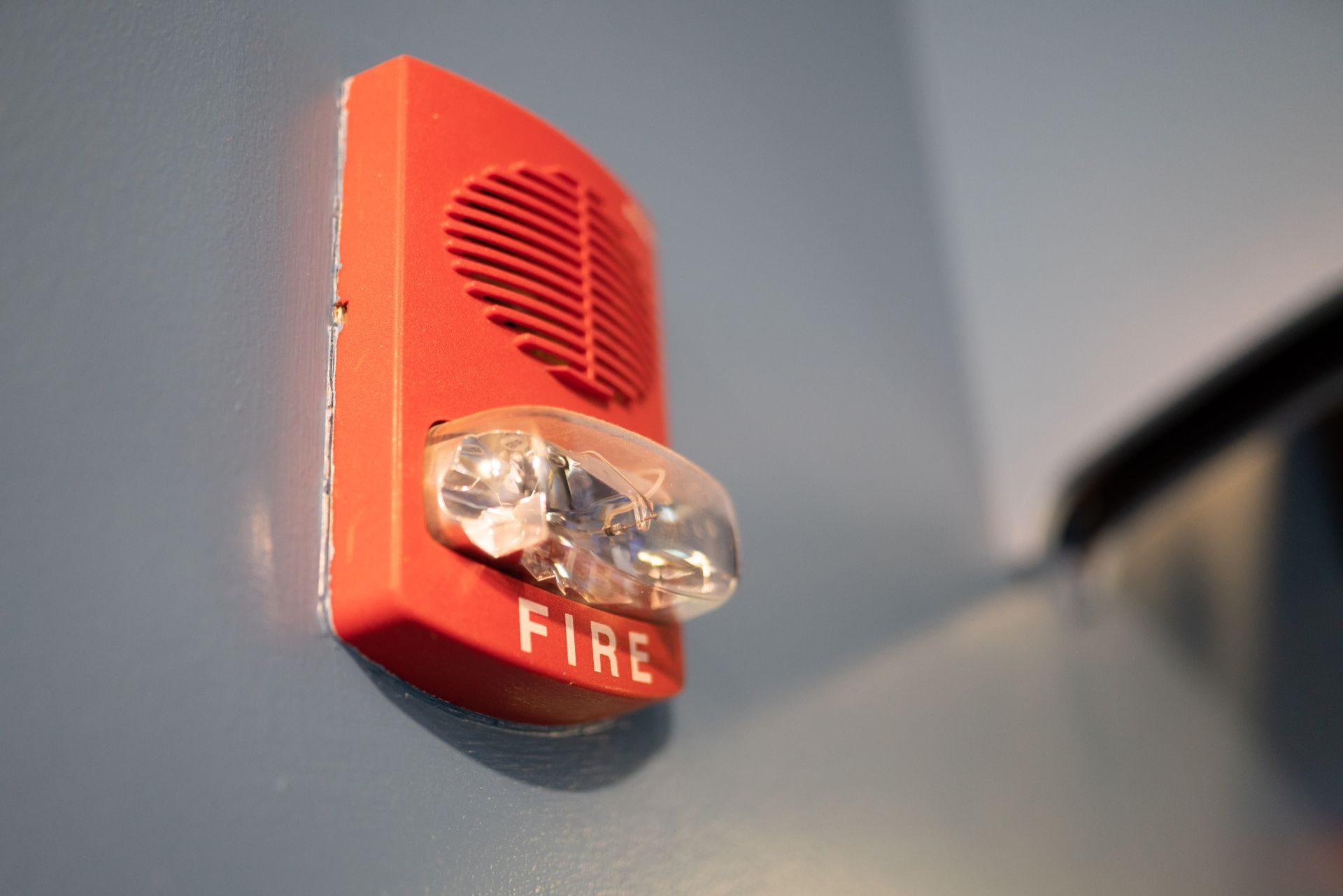
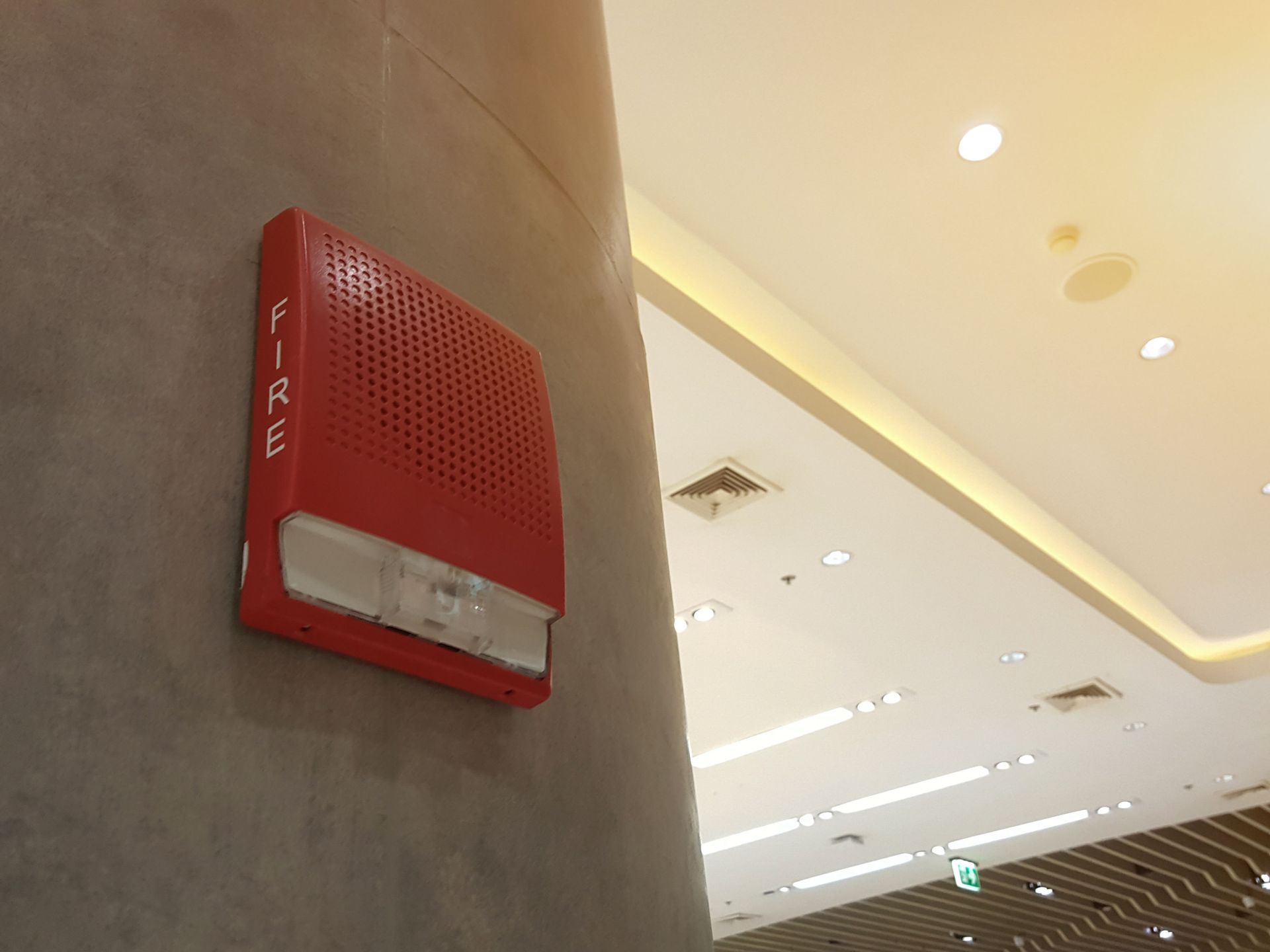
A modern safety network consists of numerous interconnected parts working together to provide early detection and rapid notification. Photoelectric sensors, thermal detectors, and manual pull stations function as the primary inputs distributed throughout a facility. When an input device activates, it instantly transmits a signal to the main control panel, which processes the data to trigger local alarms and alert emergency dispatchers. Strobe lights, sirens, and voice evacuation systems then operate in unison to guide occupants toward safety exits.
Proper integration of these various components requires regular diagnostic testing by qualified professionals to prevent communication failures between devices. Modern systems frequently connect with automated sprinkler valves, ventilation dampers, and electronic door locks to orchestrate a unified building response during an emergency. For example, triggering an alert can automatically open exit doors and adjust HVAC fans to control smoke migration. Specialized fire alarm inspectors verify that these complex interfaces communicate flawlessly, preserving the operational health of the entire life safety network.
The safety of any facility depends on the consistent functionality of its detection and notification systems. Property managers must realize that meeting local safety codes requires a continuous commitment to professional oversight rather than a one-time installation. Relying on certified professionals to evaluate these critical networks remains the most effective way to protect physical assets and human lives. Regular testing not only provides vital documentation for insurance compliance but also gives building occupants total peace of mind during daily operations. Investing in proper system maintenance mitigates long-term liabilities and prevents unexpected operational disruptions. To ensure your facility remains fully compliant and prepared for any emergency, consider partnering with the expert
fire alarm inspectors at Southern Kentucky Fire and Sprinkler to schedule your comprehensive system evaluation today.