October 23, 2026
Fire safety is easy to overlook when everything appears to be working normally. A system may look fine while small problems with installation, maintenance, training, signal coverage, or technology affect how it performs during an emergency. Understanding common mistakes gives property owners and managers a practical way to identify weak points and make informed improvements before a serious situation occurs.
Installing Without Proper Planning
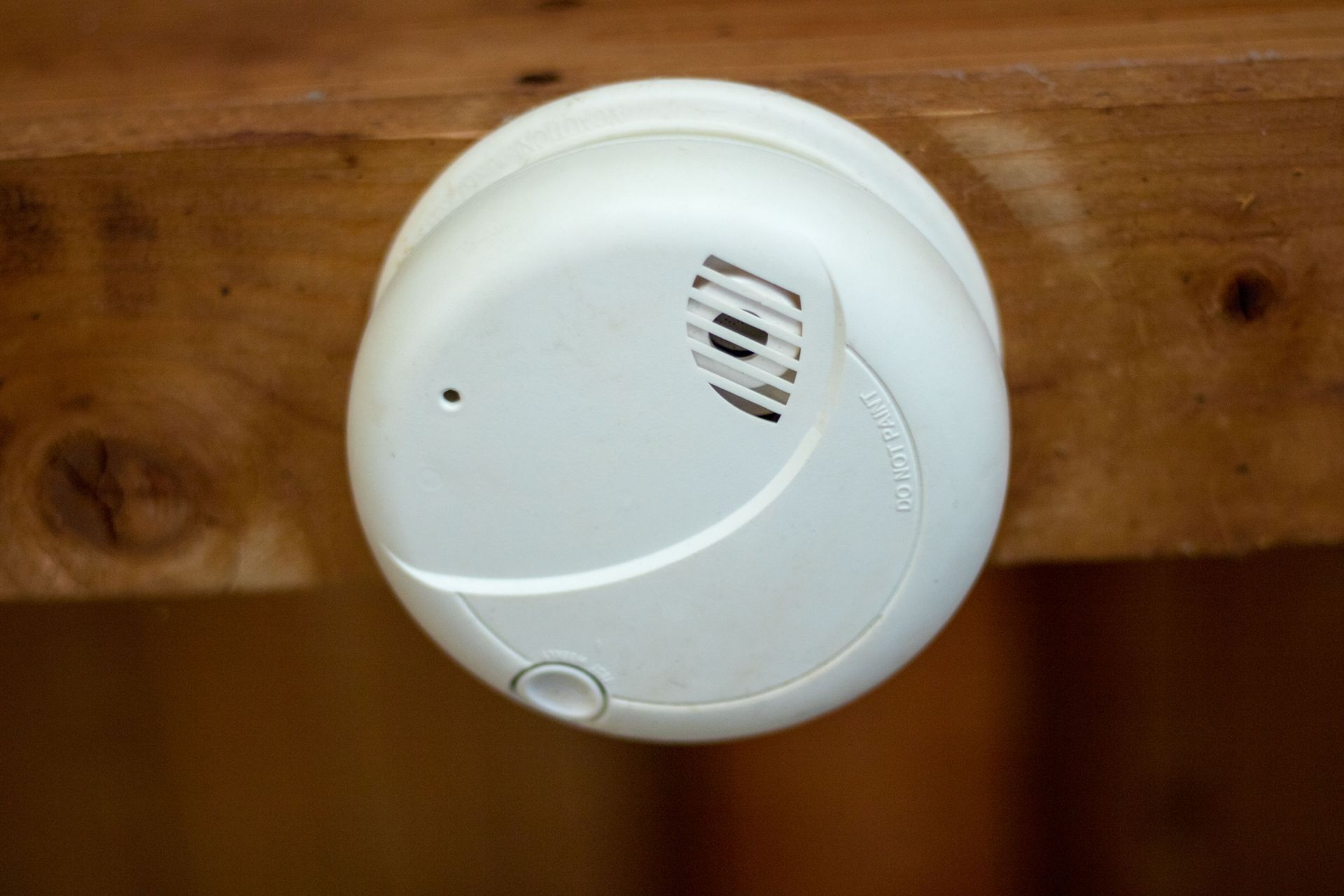
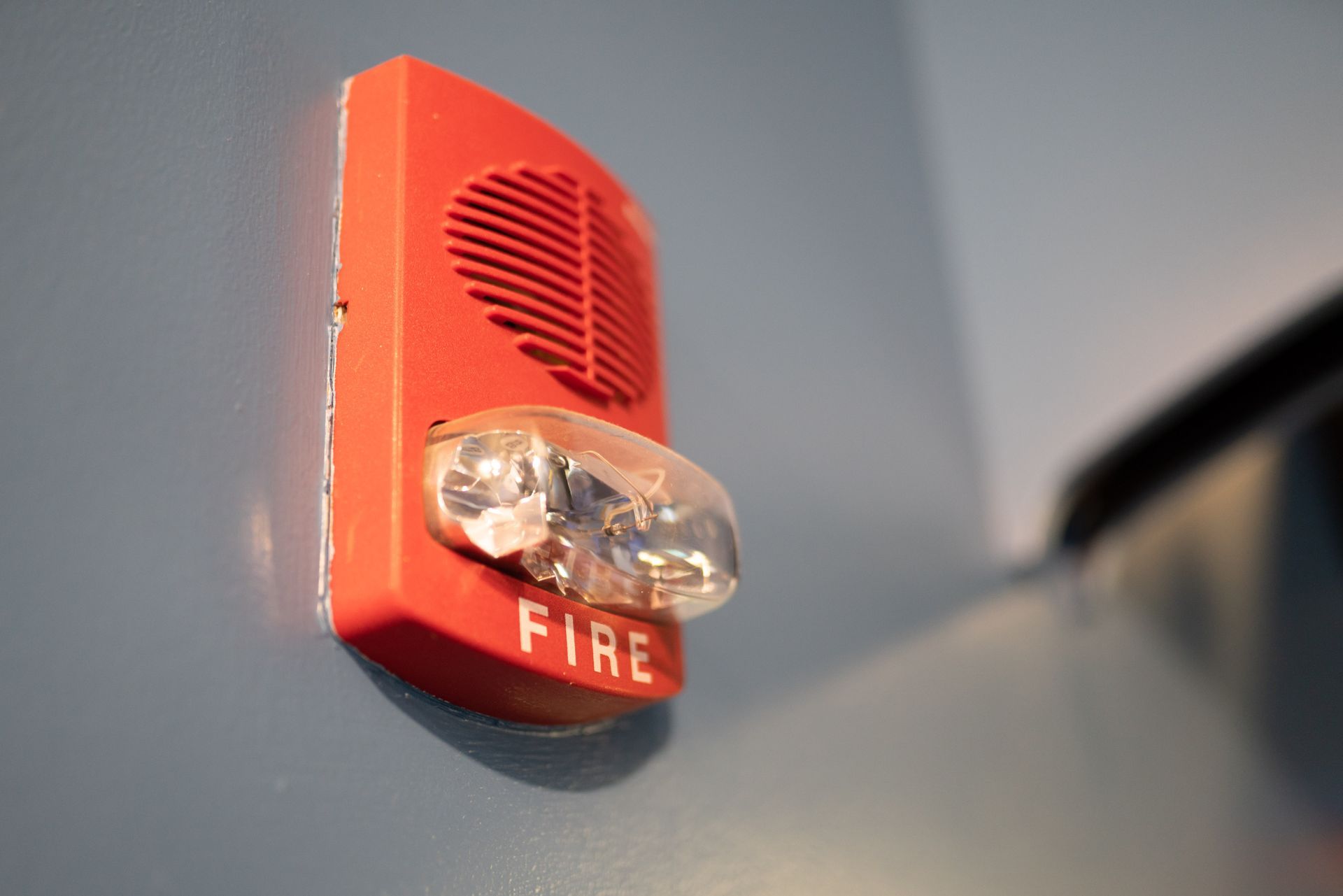
Where a fire alarm is installed can affect how quickly it detects a developing fire. Placing alarms too close to cooking appliances may contribute to false activations caused by cooking smoke or steam. Frequent false alarms can cause occupants to become less responsive over time, and some people may even disable equipment when unnecessary alerts become frustrating.
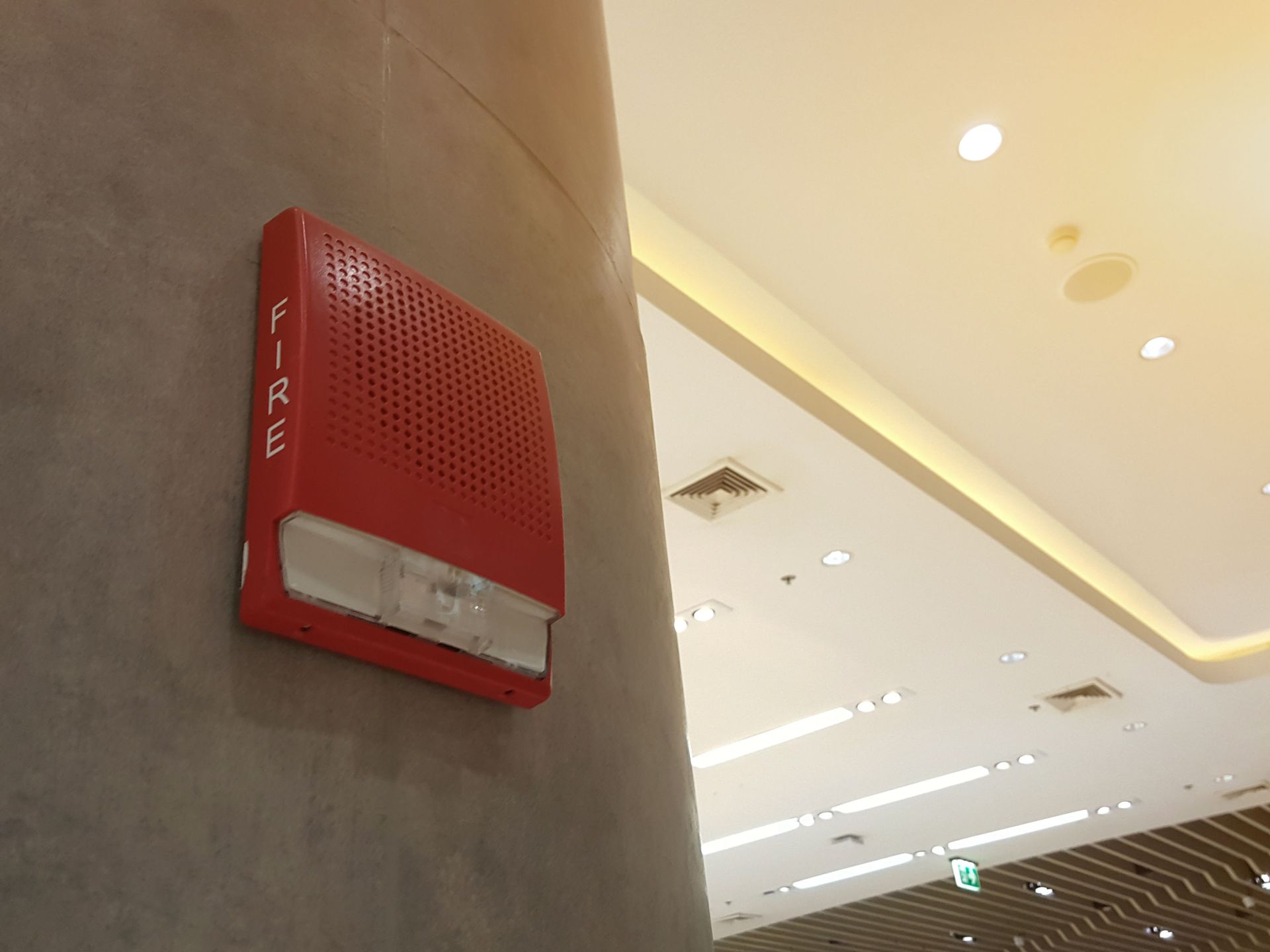
Furniture, decorations, cabinets, and other objects can also obstruct sensors and reduce their ability to detect smoke effectively. Fire alarm installation should account for room layouts, ceiling height, wall placement, and potential obstacles. Multi-level properties require additional attention because leaving one floor without adequate coverage can create a significant gap in emergency notification.
Humidity is another consideration during installation. Areas with repeated moisture exposure can affect equipment and contribute to corrosion, damage, false readings, or malfunctions. Choosing appropriate equipment and placing it away from unnecessary moisture exposure can help maintain reliable operation over time.
Neglecting Regular Testing
It is easy to assume that a fire alarm is working simply because it worked the last time someone checked it. Weak or expired batteries, dirty sensors, and other component problems may develop without an obvious warning. Regular testing helps identify these issues before an emergency makes them much more serious.
Routine fire alarm testing should be treated as an ongoing responsibility rather than a task performed only after a problem appears. The source material recommends monthly testing as part of maintaining system readiness. According to the U.S. Fire Administration, nearly 1.1 million fire responses were reported by participating U.S. fire departments during 2025, highlighting the importance of keeping safety equipment operational when it is needed.
Testing can also reveal problems that are not visible during a basic visual inspection. A device may appear clean and intact while still experiencing a communication or operational issue. Keeping records of testing can help property managers recognize recurring problems and determine when professional attention may be necessary.
Maintaining Equipment Consistently
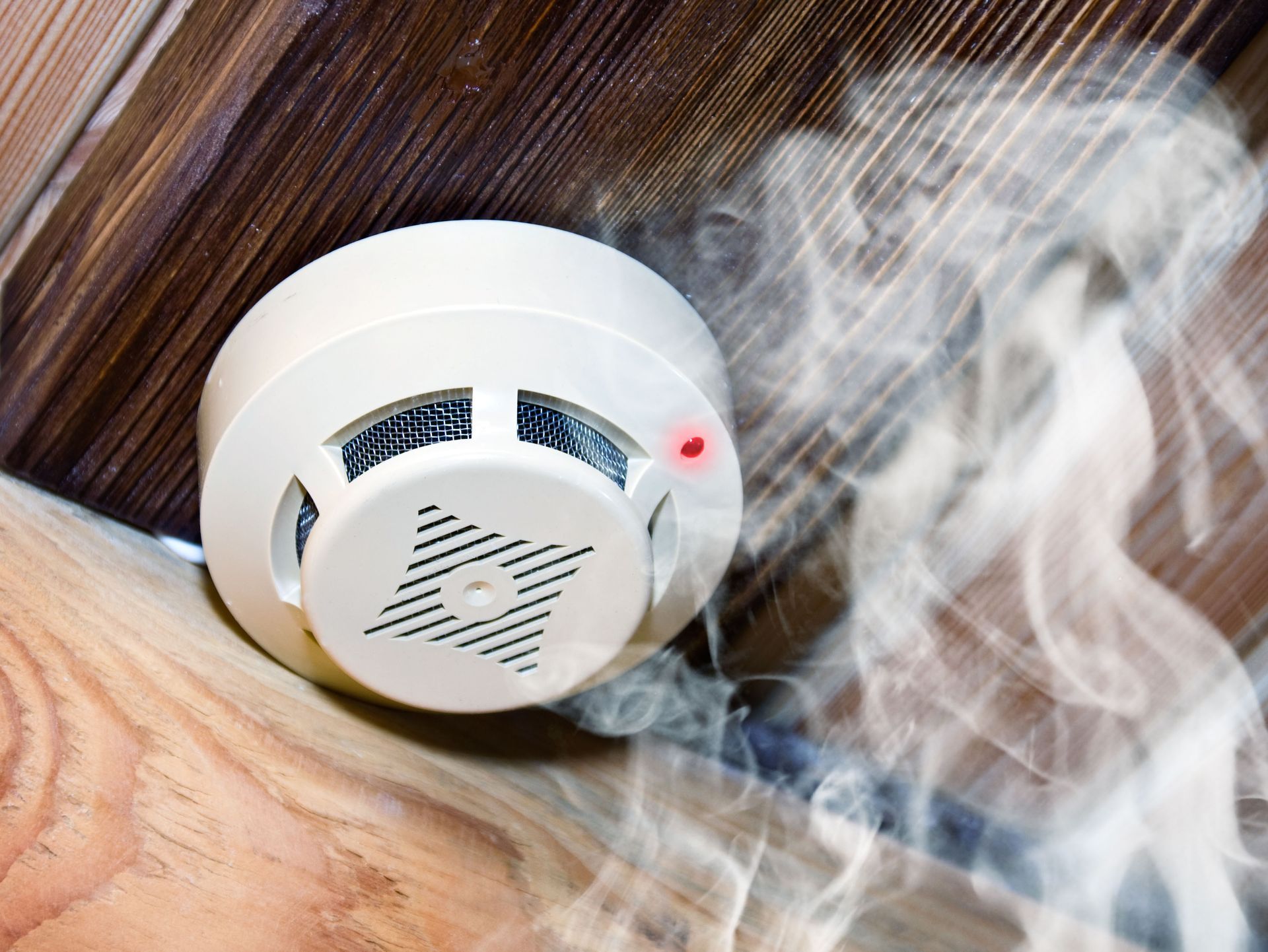
Routine maintenance involves more than replacing batteries after a warning chirp begins. Dust and grime can accumulate around sensors, potentially increasing the likelihood of false alarms or interfering with detection. Cleaning equipment according to appropriate maintenance procedures can help preserve sensor performance and reduce avoidable problems.
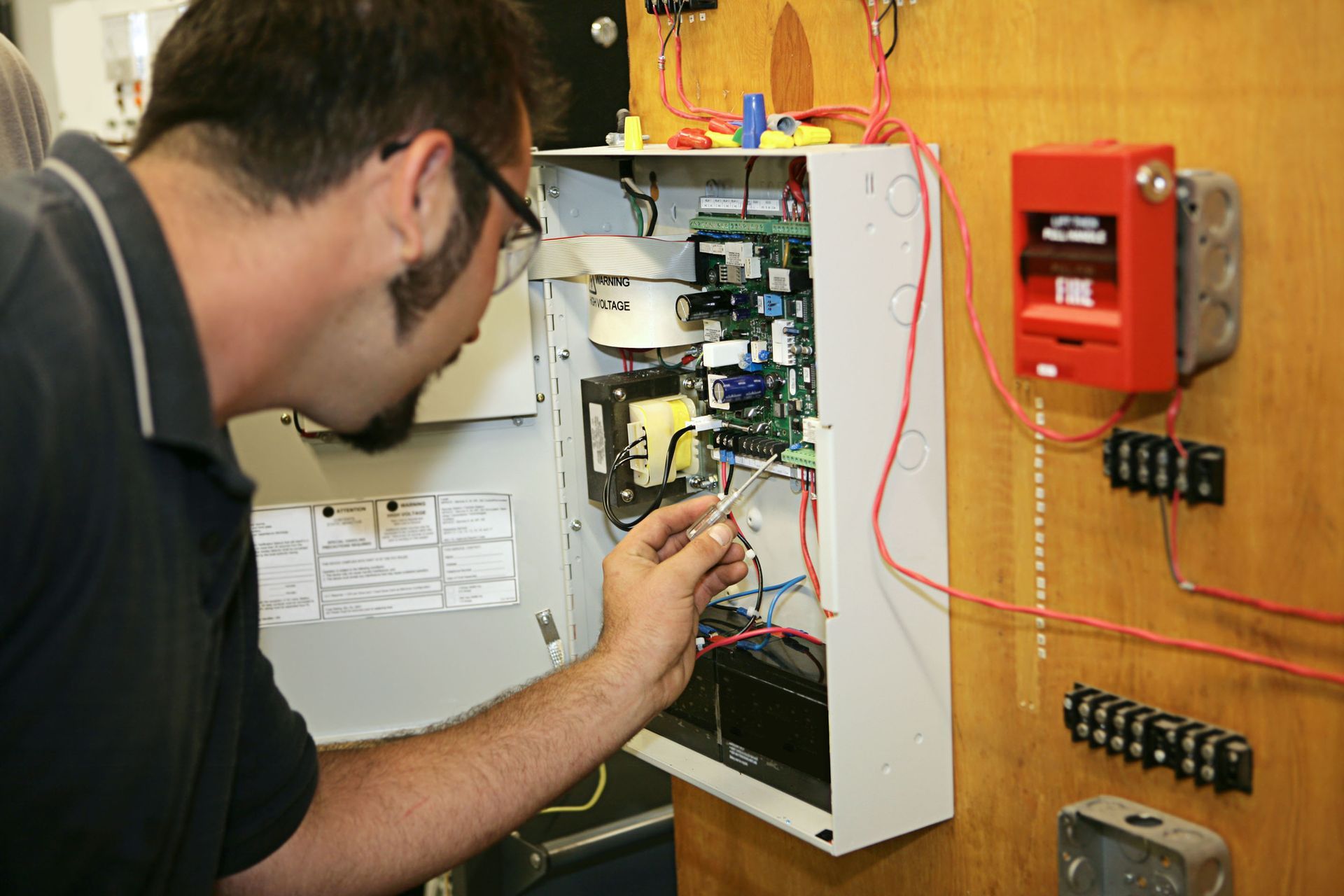
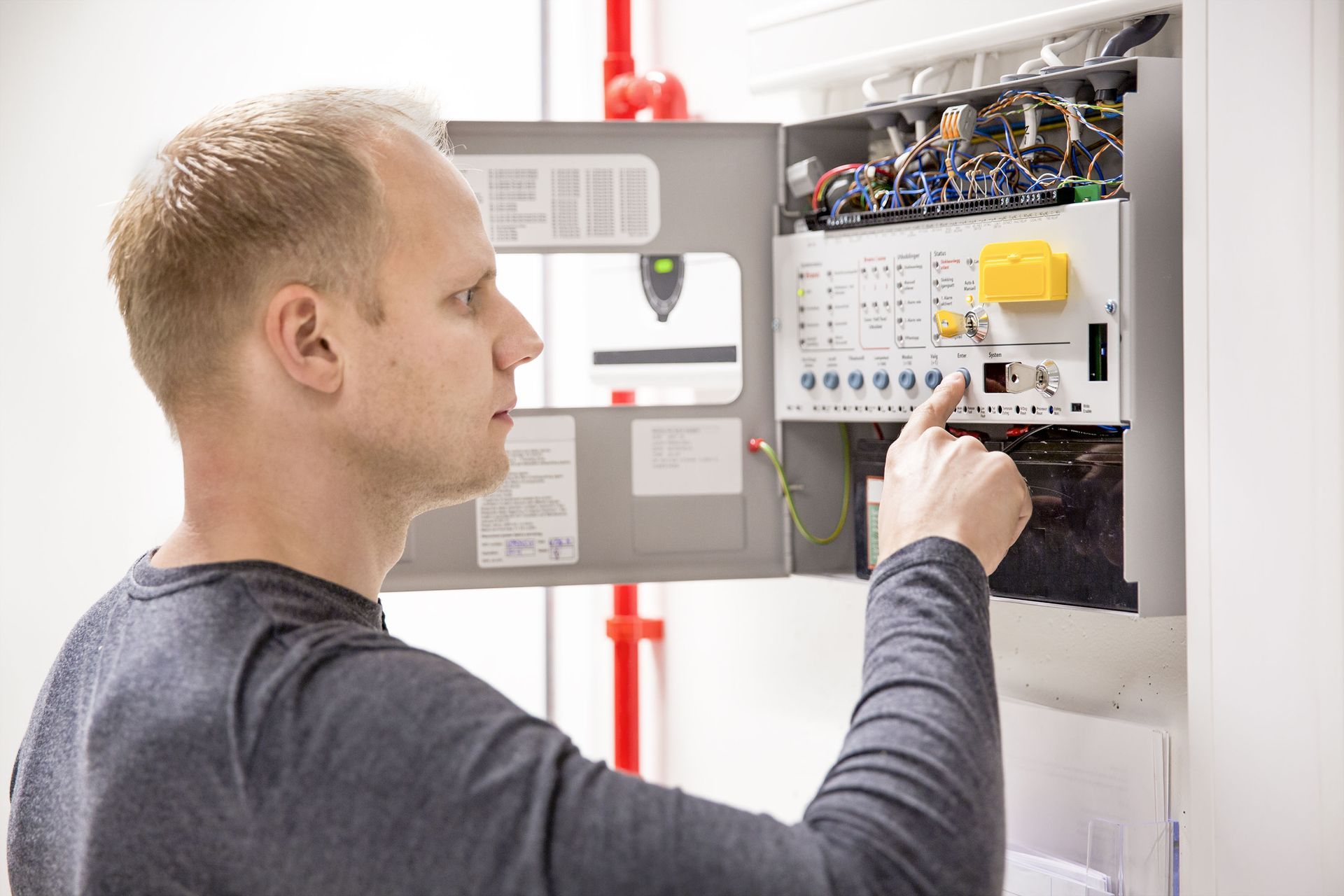
Software should also be kept current when the system uses software-based controls or components. Updates can address glitches, improve compatibility, and support system functionality as technology changes. Professional inspections provide another layer of protection because trained personnel may identify conditions that occupants or property managers could overlook during routine checks.
A consistent fire alarm maintenance schedule also makes it easier to track the condition of equipment throughout a property. Instead of waiting for a failure, managers can document testing, cleaning, inspections, repairs, and replacements. This approach can make safety planning more organized and provide a clearer record of how the system has been maintained.
Expanding Signal Coverage Properly
Large buildings can present challenges when signals need to travel across multiple rooms, floors, or separated areas. Thick concrete, metal structures, and other construction materials may affect signal transmission. Wireless equipment can also experience interference from other electronic devices operating nearby, making proper system planning important.
Remote or isolated areas can be overlooked when coverage is first established. Storage spaces, detached areas, additions, or locations far from a primary control panel may need special consideration. If signals cannot reach certain areas reliably, the problem can leave occupants without timely notification during an emergency.
Repeaters can help extend signal coverage across large or complex structures. These devices may bridge gaps between alarms and control equipment where distance or building conditions create communication challenges. Reviewing fire alarm coverage after renovations or changes to a property can also help identify areas that may require additional equipment or configuration adjustments.
Connecting Other Safety Systems
A fire alarm does not always operate as an isolated piece of equipment. Depending on the building and system design, it may need to interact with sprinklers, security systems, smart technology, voice notification equipment, or emergency services. Failing to coordinate these systems can limit the information and response capabilities available during an emergency.
Connecting an alarm with a sprinkler system can support a coordinated response when both systems are designed to work together. Security system integration can also provide additional notification capabilities, while smart technology may allow users to receive alerts remotely. Voice alarm features can provide specific instructions instead of relying only on traditional warning sounds.
Emergency service coordination is another consideration for some properties and systems. Automatic notifications may help communicate an emergency to the appropriate response personnel without relying entirely on someone at the property to make a call. The exact configuration depends on the building and system, so integration should be planned around the property's specific safety needs.
Improving Staff Training
Technology cannot replace people who understand what to do when an alarm activates. Staff should know evacuation routes, exit locations, meeting areas, and the procedures that apply to their workplace. Without adequate training, people may hesitate, panic, investigate the source themselves, or otherwise respond in ways that create additional confusion.
Regular drills give employees an opportunity to practice those procedures before an actual emergency occurs. Drills can also reveal problems with evacuation routes, communication, signage, or individual responsibilities. Reviewing what happened after a drill gives organizations a chance to adjust procedures and improve future responses.
Clear instructions and visible signage should support that training. Exit signs and other visual cues can help occupants navigate unfamiliar areas, particularly when an emergency creates noise or confusion. Emergency procedures should also be reviewed when building layouts, occupancy, technology, or staff responsibilities change so that instructions remain relevant.
Updating Technology Regularly
Older equipment may not provide the same features or flexibility as newer fire safety technology. Wireless systems can offer installation flexibility in areas where traditional wiring presents challenges, while mobile integration may allow administrators to receive notifications or manage certain functions remotely. Reviewing these options can help property owners determine whether existing equipment still fits the building's current needs.
Data can also support more informed safety planning. Information collected by modern systems may help identify recurring alarms, problem areas, or patterns that deserve additional attention. Instead of responding only after an issue occurs, property managers can use available information to identify areas where preventive action may be appropriate.
Regular technology reviews can also help determine whether equipment should be repaired, upgraded, or replaced. Changes to the building, its occupants, or its daily operations may create new needs that were not present when the original system was installed. Keeping technology aligned with the property can support more consistent operation and help prevent an outdated setup from becoming a safety concern.
Fire safety depends on more than installing equipment and assuming it will always work as intended. Proper placement, regular testing, consistent maintenance, reliable signal coverage, system integration, employee training, and timely technology reviews all contribute to preparedness. Addressing these areas can help property owners identify problems earlier and keep safety procedures aligned with the needs of the building. For help reviewing your fire protection needs, contact Southern Kentucky Fire and Sprinkler.