November 17, 2026
A reliable fire protection system serves as the primary barrier between an unexpected ignition event and devastating property loss or tragedy. For commercial property managers, building owners, and residential facility directors, life safety infrastructure cannot be treated as an afterthought or a line-item expense to minimize. Cutting corners on installation labor, code compliance, or device selection introduces extreme legal liabilities, potential municipal fines, and catastrophic safety vulnerabilities.
According to the U.S. Fire Administration, news media tracked approximately 570 fatal home fires among individuals aged 65 and above throughout 2025. This sobering statistic illustrates how vulnerable occupants are when structural safeguards fail to alert them promptly. Safeguarding your facility and its inhabitants requires hiring qualified fire alarm installers who understand regional building amendments, execute immaculate engineering layouts, and guarantee rapid system response when seconds count.
Before committing capital or signing a contractor agreement, vetting your candidates thoroughly is paramount. Asking targeted, technical questions will separate fly-by-night subcontractors from certified life safety professionals. A thorough evaluation upfront prevents costly project delays, failed municipal inspections, and substandard workmanship that could ultimately compromise the safety of your building.
1. Verify Their Professional Licenses and Certifications
The foundation of any reputable life safety contractor lies in verified credentials, comprehensive general liability coverage, and technical certifications. You should never assume that a general electrical license automatically qualifies a team to design and deploy complex signaling networks. Inquire directly about the specific credentials each technician assigned to your property holds, particularly certifications issued by the National Institute for Certification in Engineering Technologies (NICET). Technicians holding NICET Level II, III, or IV credentials demonstrate rigorous competencies in device layout, voltage calculations, system commissioning, and periodic testing standards.
Furthermore, verify that the company carries active workers’ compensation, substantial liability coverage, and bonding suitable for your facility's scale. Requesting current Certificates of Insurance directly from their underwriter ensures there are no lapses in coverage before any physical work begins on your property. Entrusting your infrastructure to credentialed fire alarm installers protects your balance sheet from construction-site liability while ensuring that every detector, horn strobe, and relay module is positioned in strict compliance with engineering tolerances.
2. Confirm Familiarity With Local AHJ Codes and Amendments
National Fire Protection Association (NFPA) standards establish the national baseline for life safety, but the local Authority Having Jurisdiction (AHJ)—typically the municipal fire marshal or building department—holds the ultimate authority over your project. Inquire extensively about your contractor's prior experience dealing with your specific municipality's fire prevention bureau. Local jurisdictions often enforce regional amendments that supersede standard NFPA 72 or International Building Code (IBC) regulations.
These localized guidelines may dictate stricter decibel ratings in sleeping areas, unique conduit requirements, or mandatory auxiliary radio communication systems (ARCS). A contractor unfamiliar with your area’s AHJ will likely encounter rejected plan submissions, repeated inspection failures, and costly delays that postpone your certificate of occupancy. Seasoned fire alarm installers maintain collaborative working relationships with local inspectors, anticipating municipal quirks and ensuring your design achieves immediate municipal plan review approval.
3. Clarify System Architecture and Proprietary Equipment Policies
Long-term facility operations depend heavily on the software platform and hardware architecture your contractor chooses to specify. Ask your prospective provider whether their proposed design relies on an open-protocol platform or proprietary, vendor-locked hardware. Proprietary equipment binds your property exclusively to one specific regional dealership for all subsequent maintenance, software patches, replacement parts, and expansion projects. If that specific vendor delivers poor service or inflates labor rates, you cannot easily switch service providers without replacing the main control unit entirely.
In contrast, open-protocol equipment allows any factory-trained technician to access programming files, procure replacement parts, and service field devices. Unfortunately, some fire alarm installers prioritize proprietary lines solely to guarantee recurring revenue for their own service departments. Securing written commitments regarding open architecture, software licensing transferability, and full access to system programming keys ensures you retain total control over your future facility operational costs.
4. Detail Integration With Existing Suppression and Building Systems
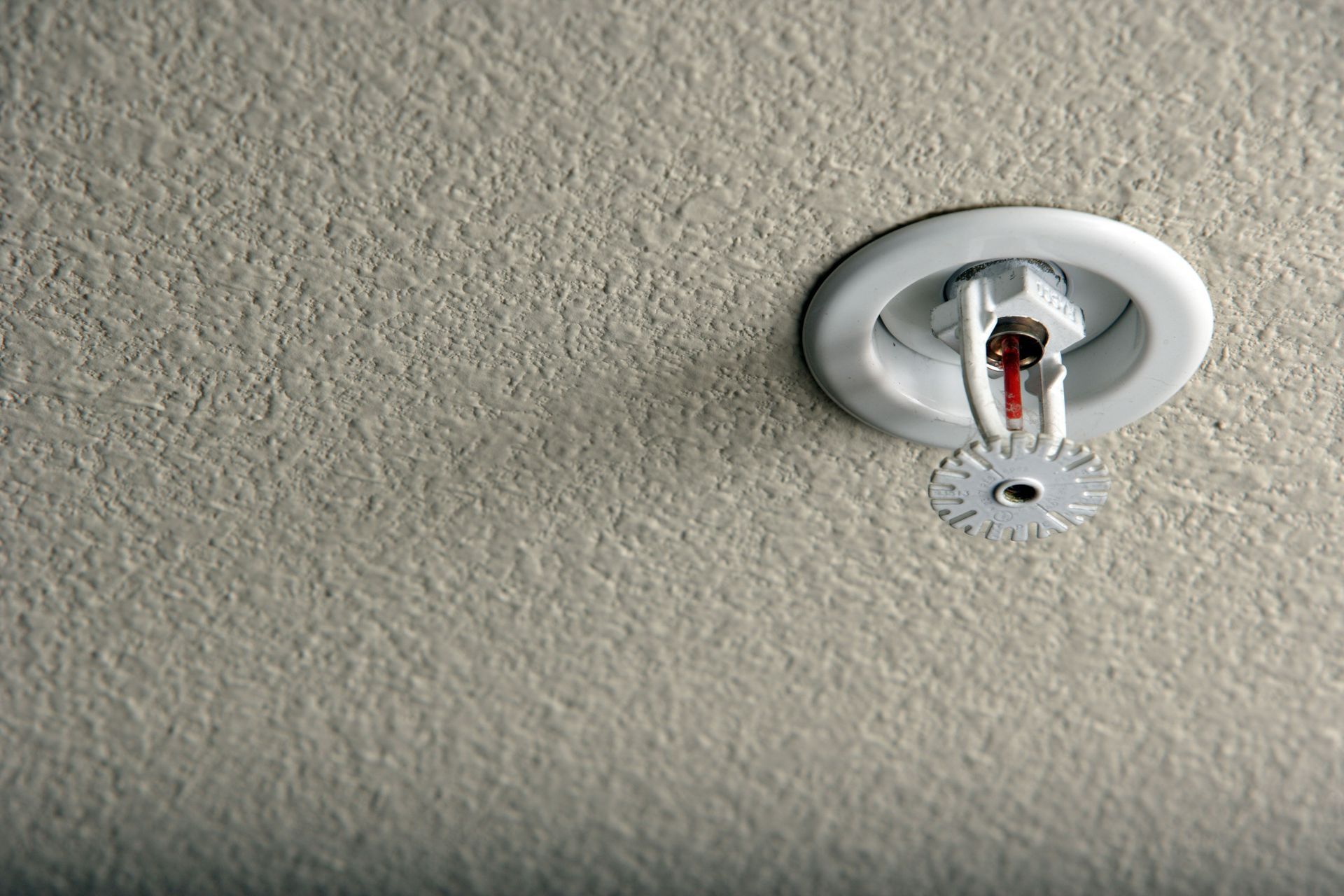
A modern life safety ecosystem rarely operates in complete isolation; it must communicate reliably with mechanical, structural, and fire suppression systems across the entire property. Ask the contractor to explain how the fire alarm control panel (FACP) will monitor and initiate control sequences across your facility’s existing infrastructure. Your system must seamlessly supervise sprinkler riser tamper switches, waterflow indicators, clean-agent suppression zones, and kitchen hood systems.
Moreover, emergency life-safety protocols require automated control functions, such as recalling elevators to ground levels, releasing magnetic fire doors, shutting down specific HVAC supply fans to prevent smoke spread, and energizing stairwell pressurization shafts. Miscommunication between independent mechanical, electrical, and sprinkler trades often creates dangerous blind spots during emergency events. Engaging knowledgeable fire alarm installers who specialize in complex cross-discipline integrations guarantees that all physical building systems coordinate flawlessly during a fire condition.
5. Review the Commissioning, Testing, and Inspection Protocol
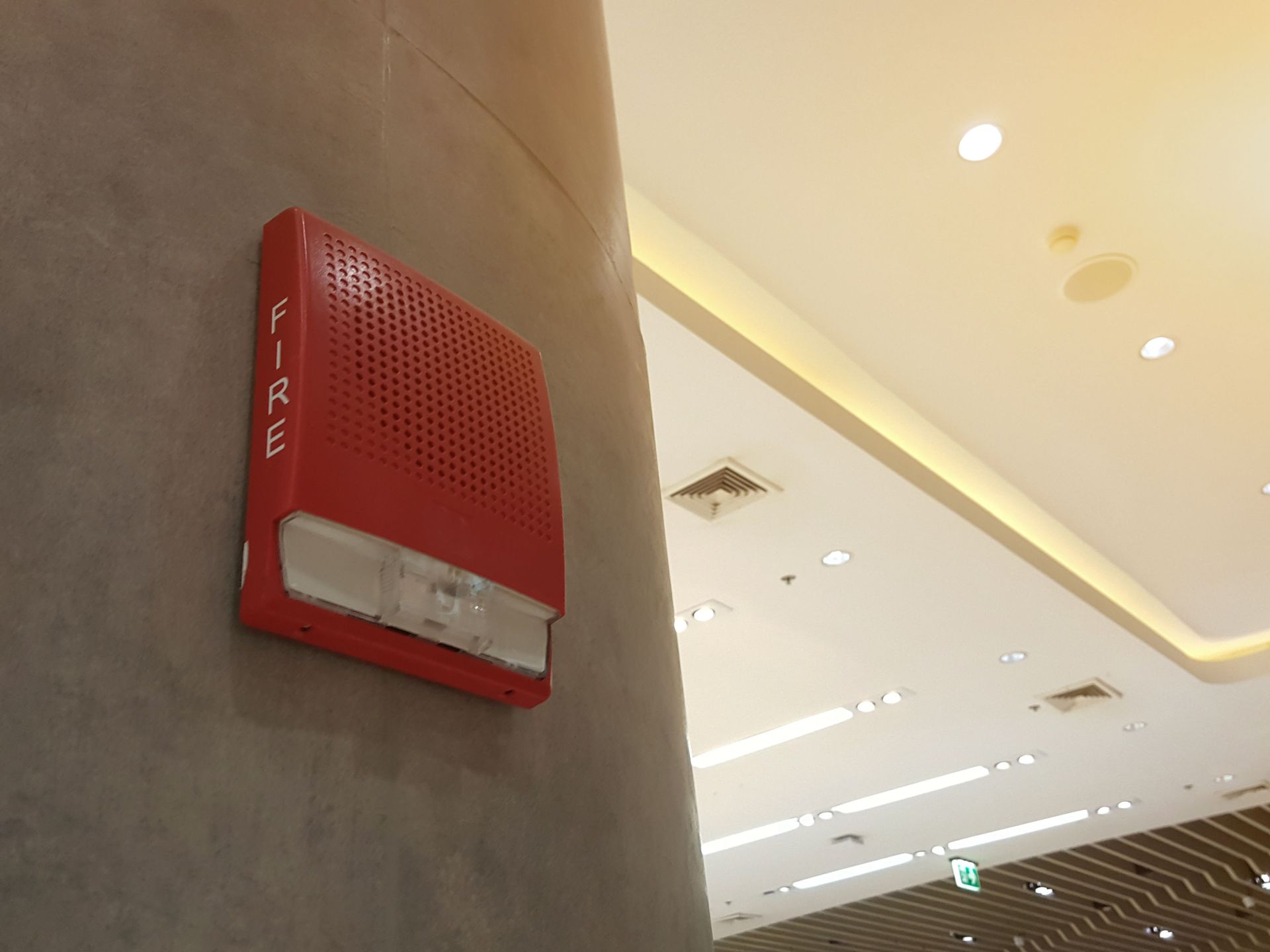
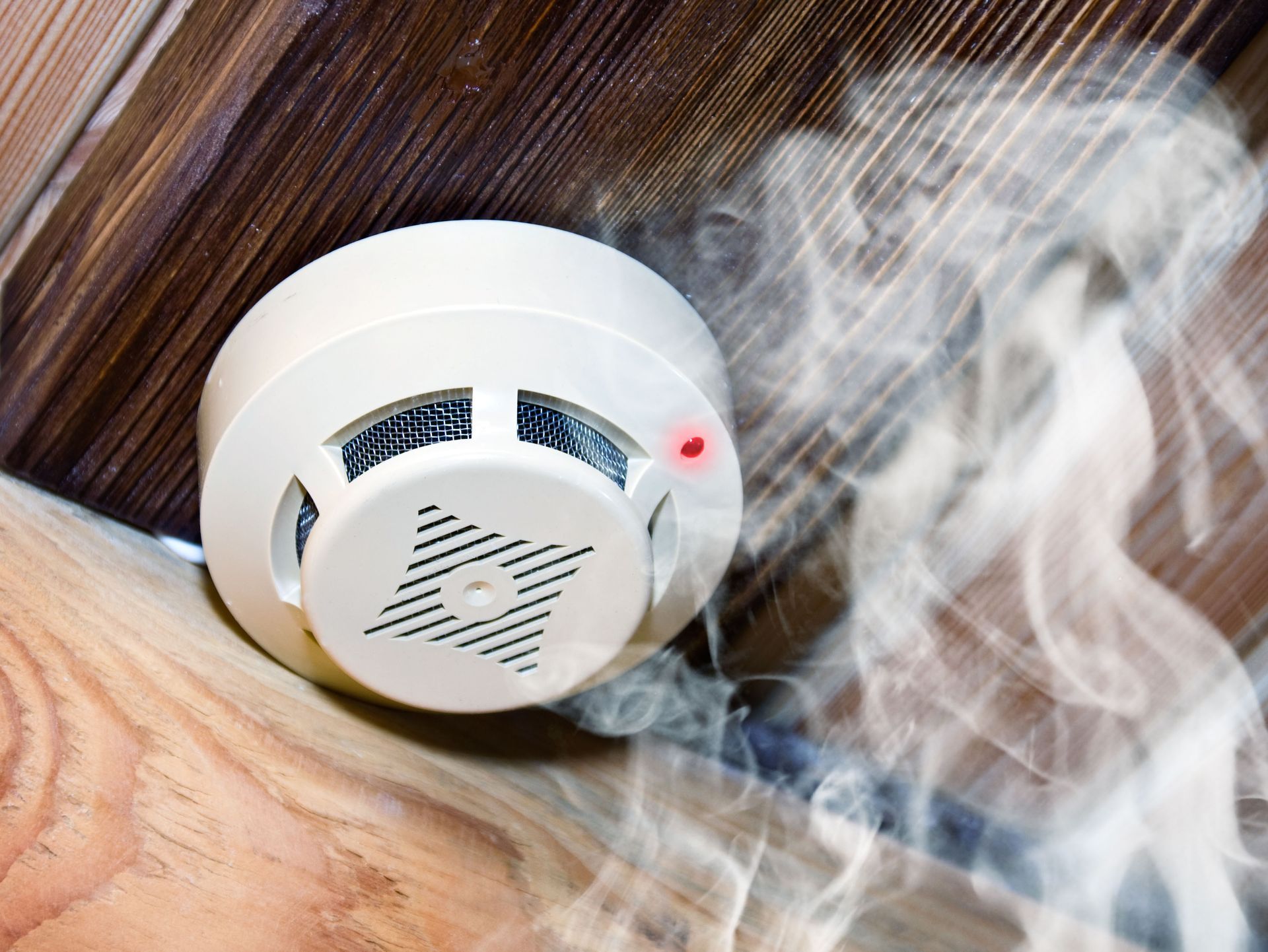
The installation phase is only partially finished when the wiring is pulled, and the initiating devices are mounted onto backboxes. Ask the contractor for a detailed walkthrough of their internal pre-testing protocols, acceptance testing workflows, and client handover practices. Prior to inviting the fire marshal to your building for final acceptance testing, the installation team must execute a 100% pre-test of every smoke sensor, duct detector, pull station, waterflow switch, and notification appliance.
Request sample documentation packages to verify that the contractor provides complete as-built CAD drawings, battery calculation sheets, voltage drop tables, and digital backups of the system’s operating program. Additionally, ask what formal training sessions they provide for your on-site facility personnel. Trustworthy fire alarm installers dedicate ample time to instructing property managers on how to read panel status lights, acknowledge supervisory troubles, silence nuisance alarms safely, and log system activity.
6. Outline Ongoing Maintenance and 24/7 Monitoring Services
A life safety system remains dependable only through continuous electronic supervision, rapid signal dispatching, and routine code-mandated maintenance. Inquire about the contractor’s emergency monitoring arrangements and scheduled inspection offerings. Confirming that your provider maintains an active line of communication with local first responders is just as critical as the hardware itself. Without round-the-clock professional oversight, even the most sophisticated alert devices cannot guarantee a timely emergency response when an empty facility faces an after-hours incident.
Inquire about their standard response times for unexpected emergency trouble calls, ground faults, or lightning strikes that disable building signaling. Furthermore, verify that the company can execute your mandatory NFPA 72 quarterly, semi-annual, and annual testing routines without requiring third-party handoffs. Establishing an enduring partnership with responsive fire alarm installers ensures your property maintains continuous, unbroken regulatory compliance throughout the operational lifespan of the installation.
Choosing the proper life safety partner is among the most consequential operational choices a property manager or building owner ever makes. Asking thorough, technically rigorous questions regarding licensing, municipal code familiarity, equipment protocol, system integration, acceptance testing, and long-term service agreements protects your facility against costly regulatory delays, operational headaches, and avoidable system failures. Partnering with dedicated, highly vetted
fire alarm installers ensures your life safety assets remain fully operational and fully compliant at all times.
Ensuring your building and occupants remain safe starts with a code-compliant, professionally engineered life safety system. Reach out to the certified team at Southern Kentucky Fire and Sprinkler today to schedule your comprehensive facility walkthrough and consultation. Let us design and deploy a dependable solution tailored to your property’s exact requirements.