November 24, 2026
Fire alarm systems play an essential role in protecting lives and property by providing early warnings when a fire occurs. Proper installation, inspections, testing, maintenance, and monitoring all contribute to dependable fire protection. Understanding these fire alarm services helps property owners recognize potential problems, maintain compliance with safety standards, and support effective emergency responses.
Understanding Fire Alarm Systems
Recognizing Essential System Components
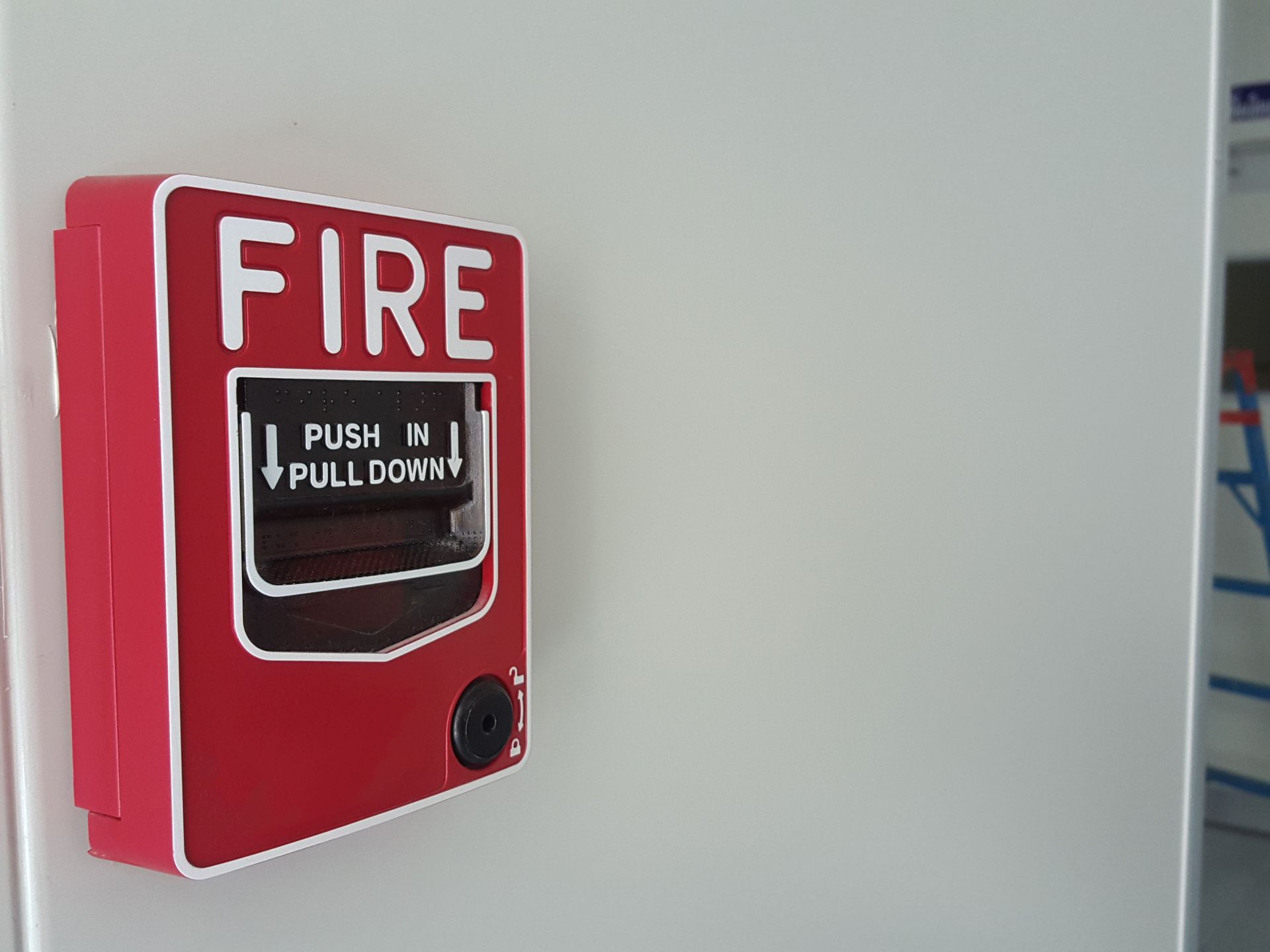
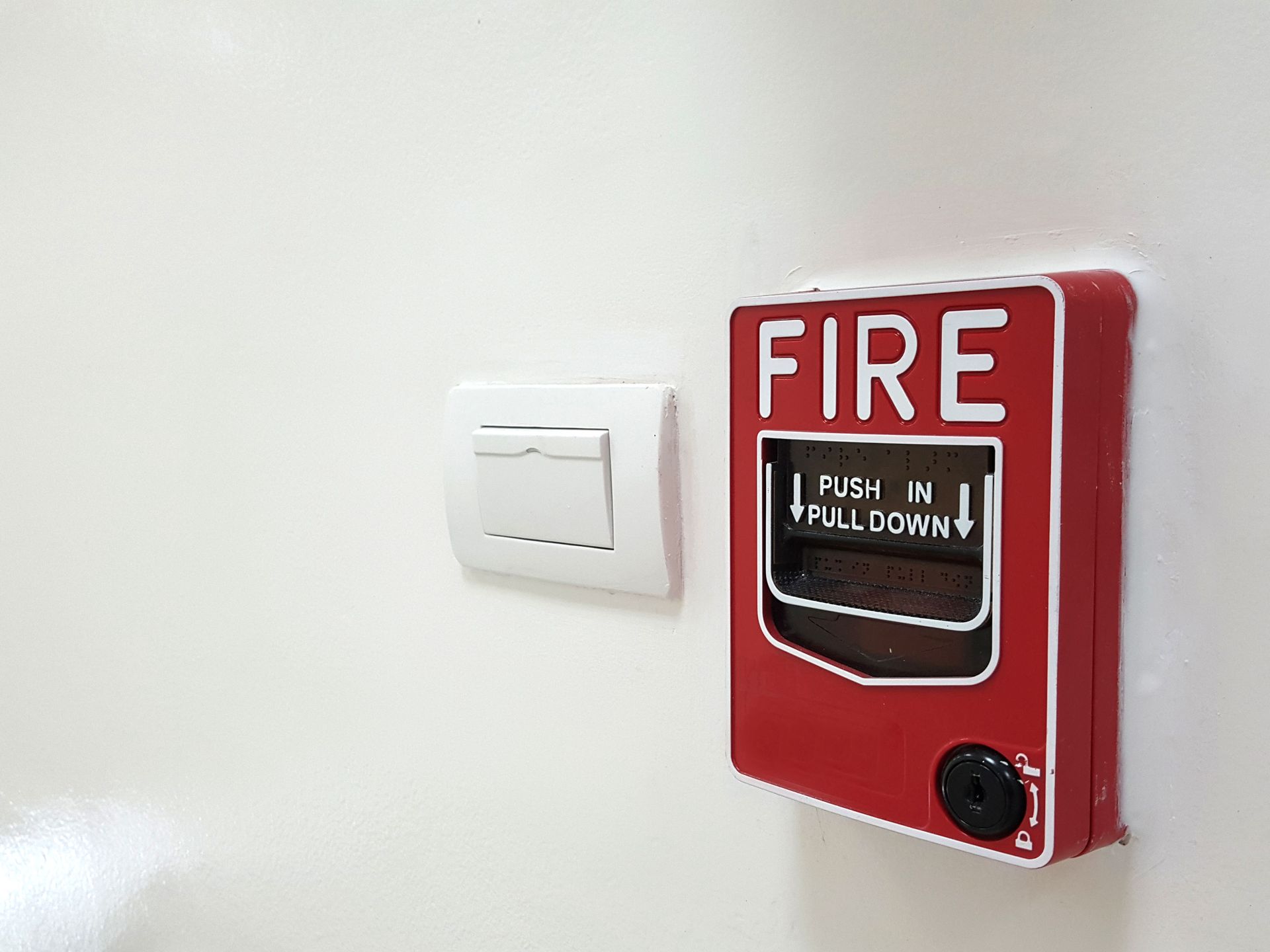
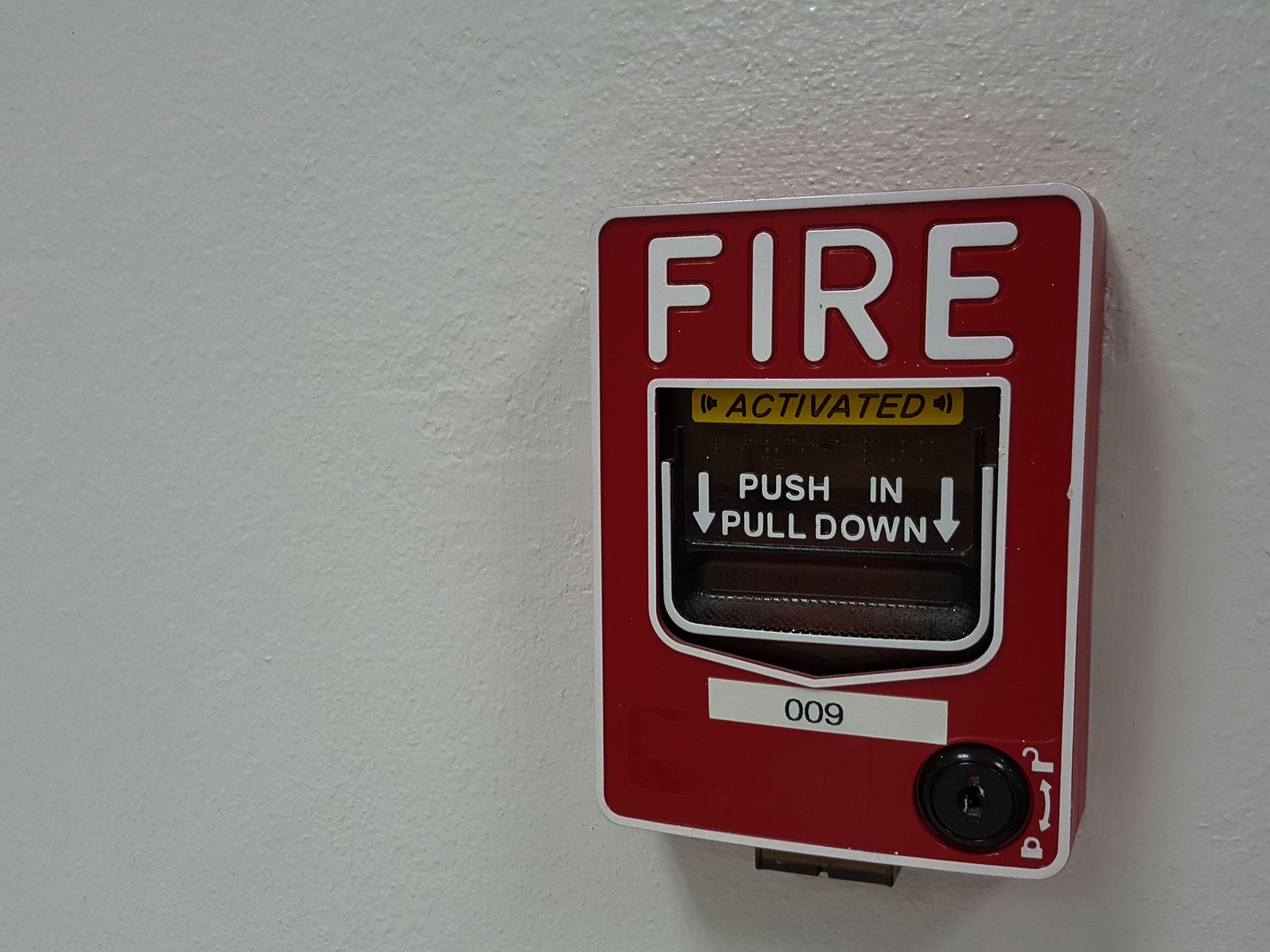
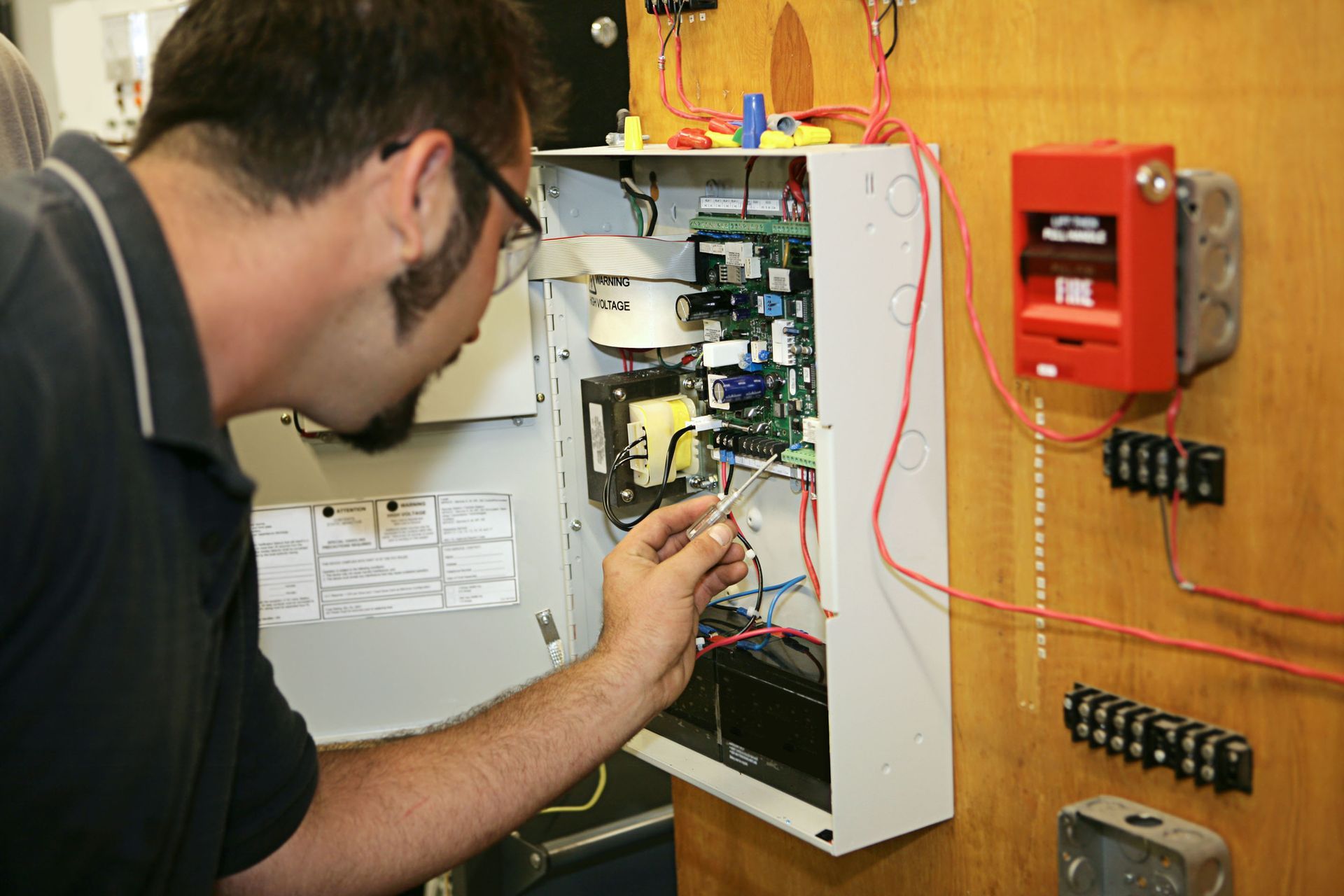
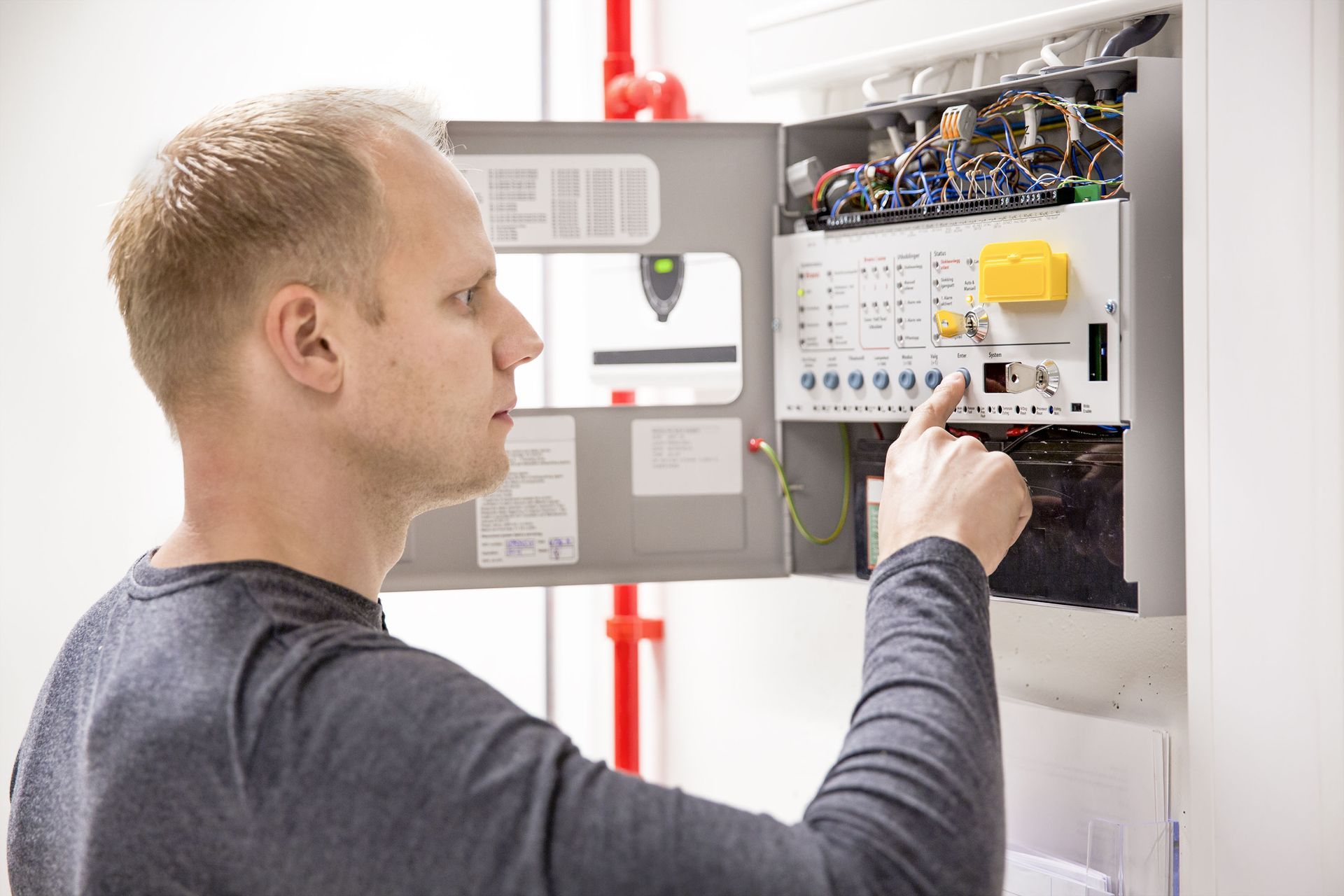
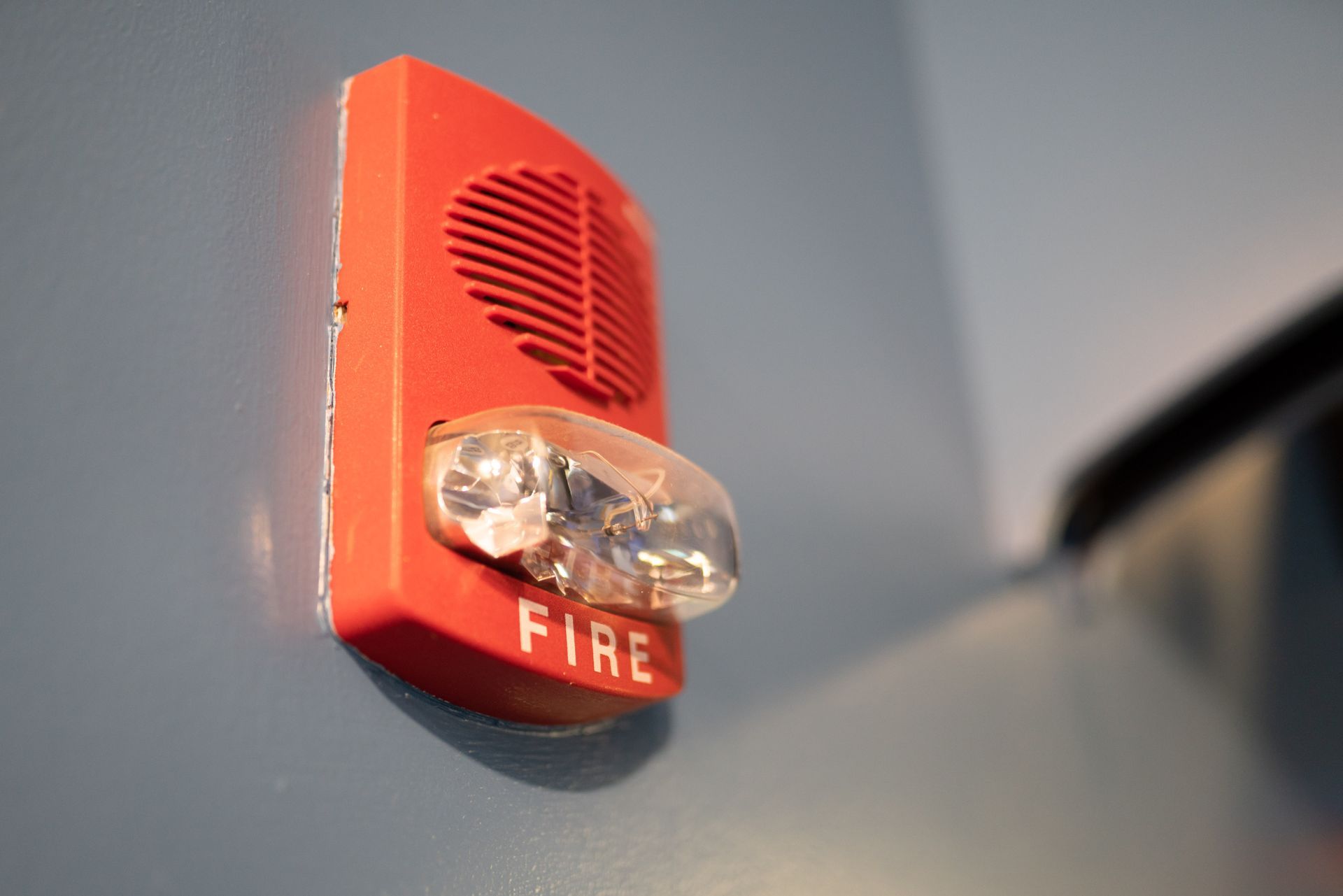
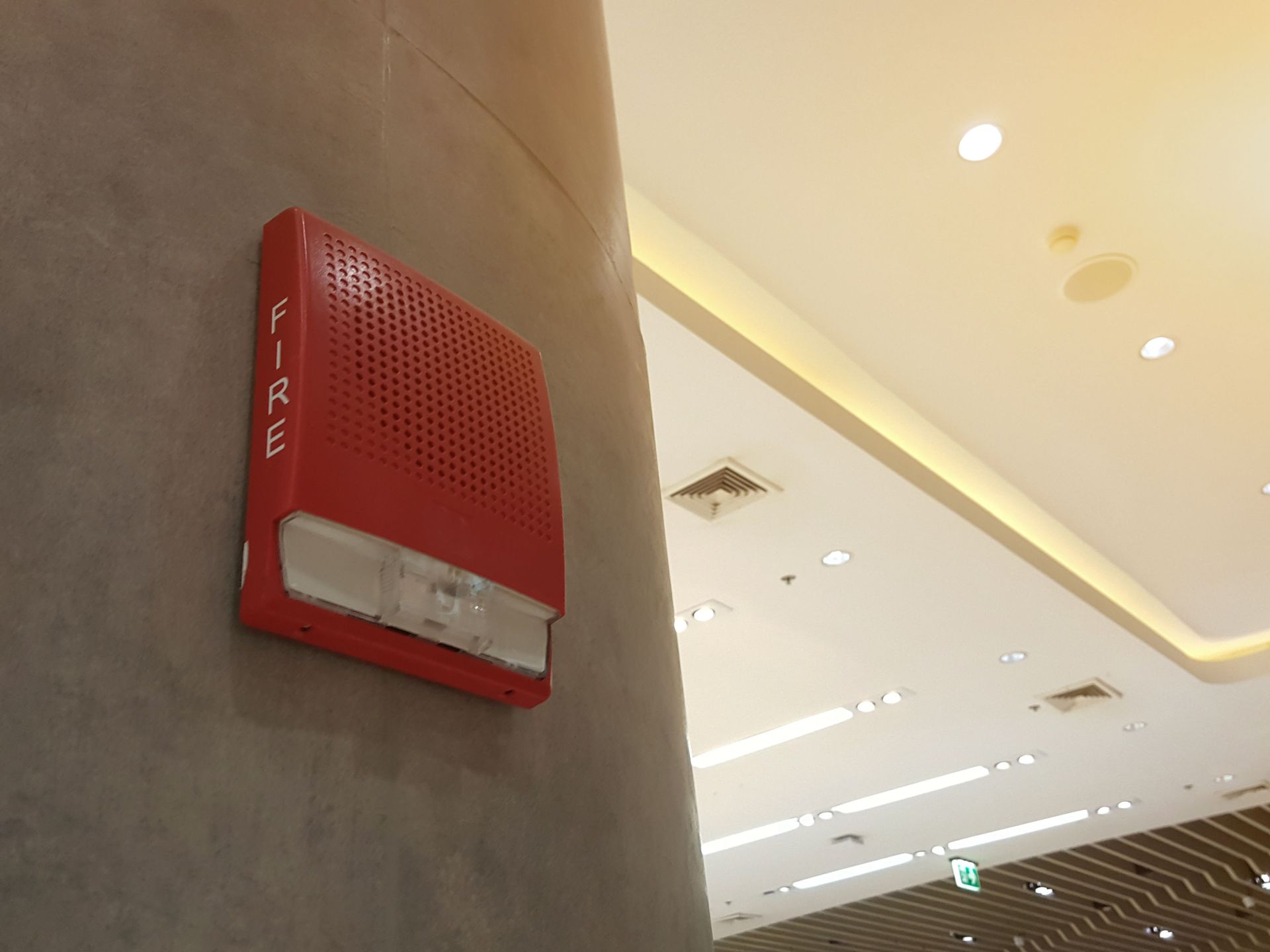
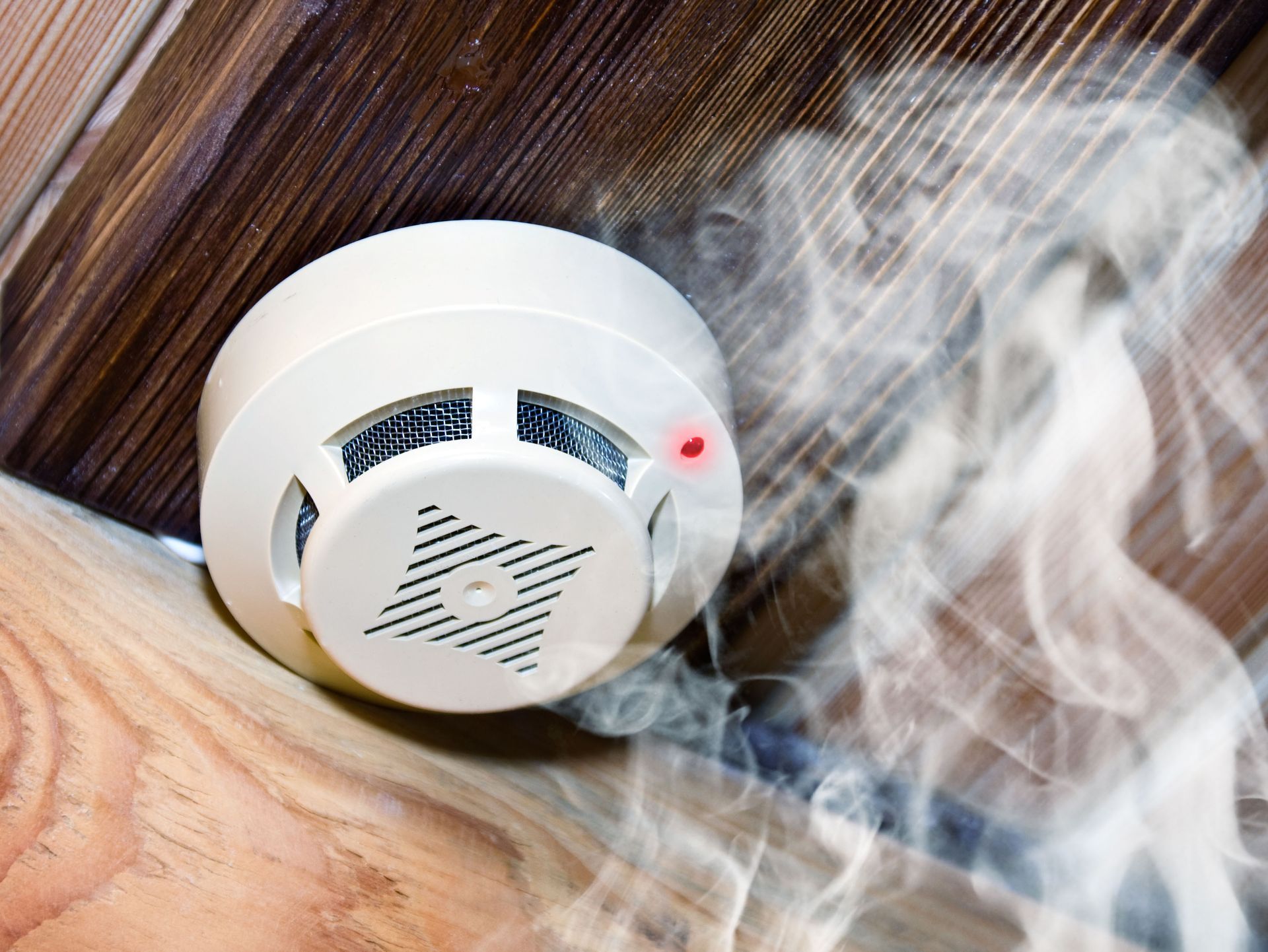
Fire alarm systems rely on several components working together to detect hazards and alert occupants. These include control panels, smoke detectors, heat detectors, alarms, and communication modules. The control panel receives information from detection devices and activates alerts when potential fire conditions are identified. Communication modules can connect systems to monitoring centers or emergency responders.
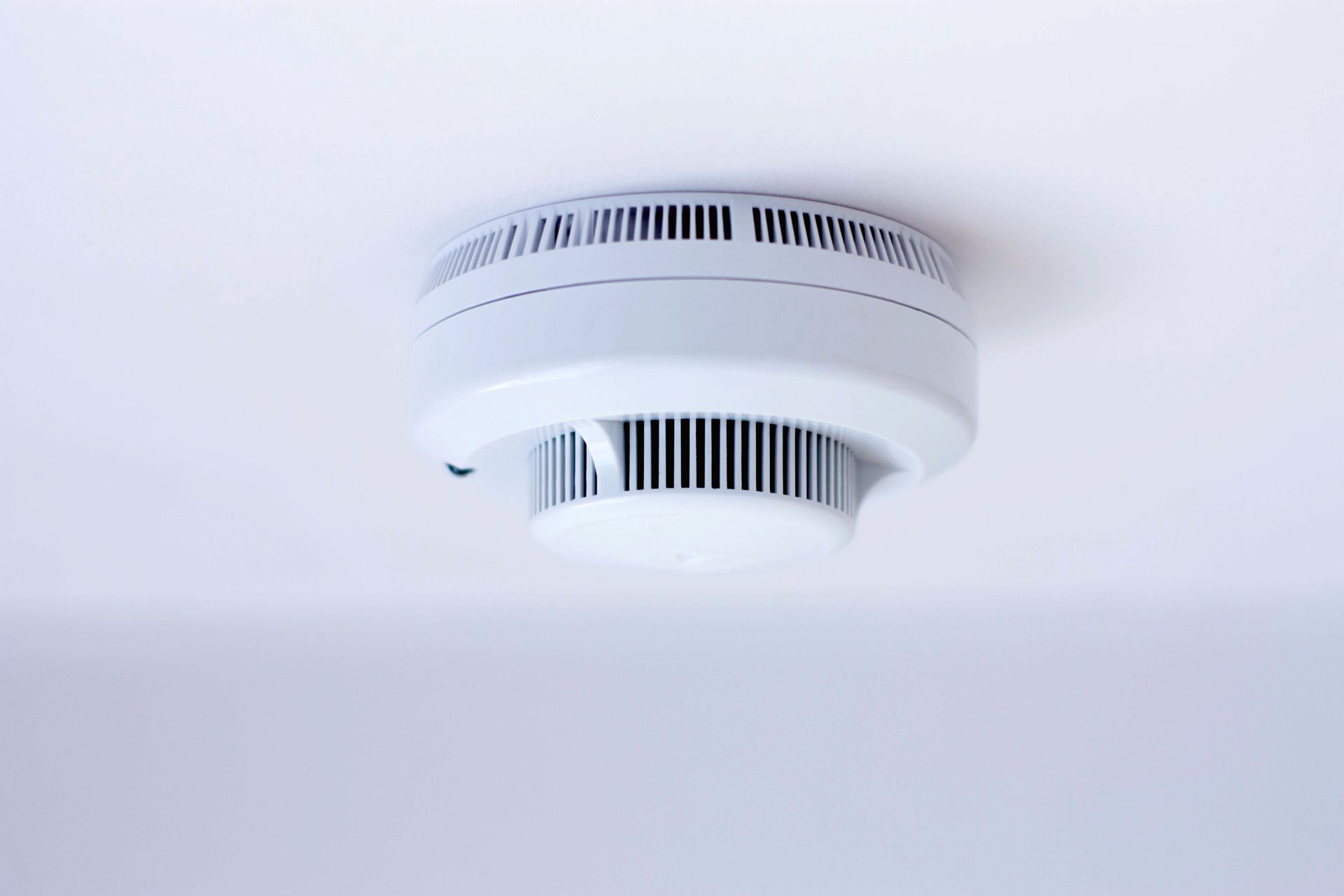
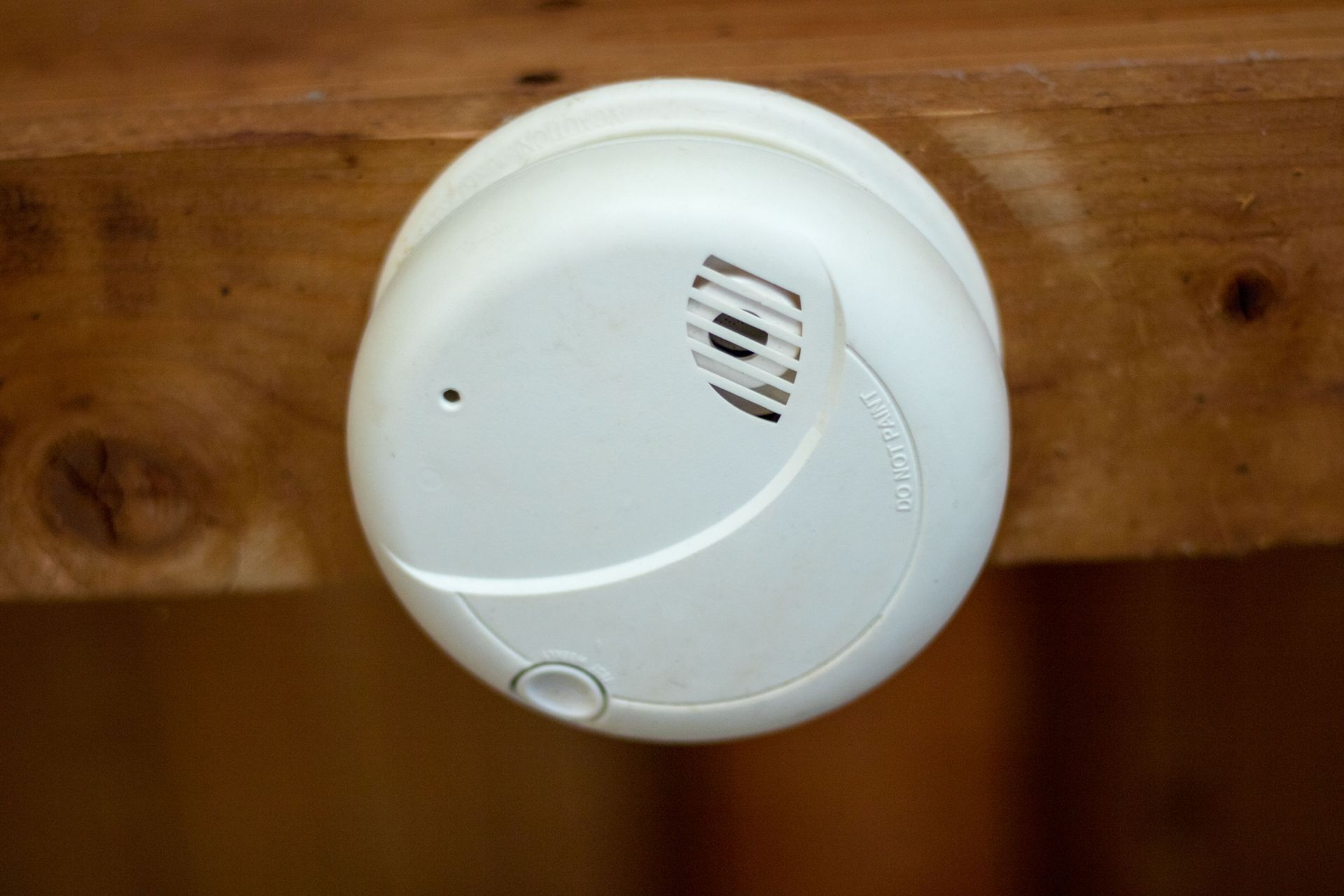
Different detection technologies serve different purposes. Optical smoke detectors are effective at identifying smoldering fires, while ionization detectors respond to certain rapidly flaming fires. Audible alarms alert occupants to evacuate, and visual signals provide additional warnings for individuals with hearing impairments. Backup power sources help systems remain operational during electrical outages.
These components must function reliably because fire conditions can become dangerous quickly. According to Ready.gov, during a fire, temperatures can be 100 degrees at floor level and reach 600 degrees at eye level. This emphasizes why early detection and timely evacuation warnings are important. Professional fire alarm services help keep essential equipment in dependable working condition.
Choosing the Appropriate System
Fire alarm systems are available in several configurations to accommodate different building layouts and safety requirements. Conventional systems divide properties into detection zones, allowing personnel to identify the general area where an alarm originated. Addressable systems provide more precise information because individual detectors have unique identifiers.
Wireless systems offer installation flexibility, particularly in older buildings where running new wiring presents challenges. Hybrid systems combine wired and wireless technologies. Selecting an appropriate system requires considering the property's layout, occupancy, potential hazards, and applicable regulations. A qualified professional can recommend an arrangement that supports the building's safety needs.
Maintaining Reliable Fire Alarm Performance
Scheduling Routine Inspections
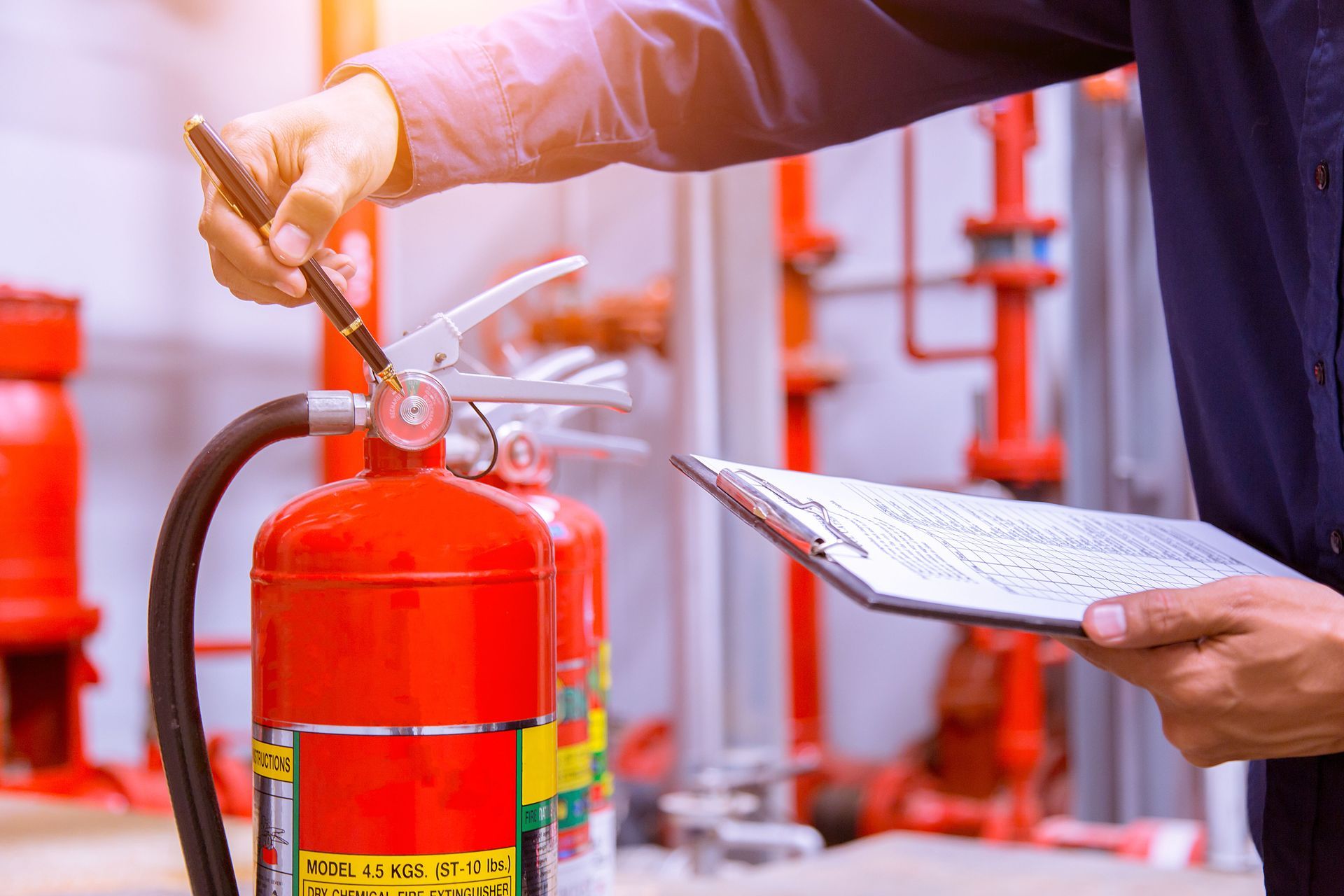
Routine inspections help identify problems before they interfere with fire alarm performance. Technicians examine detectors, control panels, wiring, notification devices, and other essential components. They look for deterioration, improper connections, outdated equipment, and conditions that could affect system operation.
Inspections also help identify building changes that might influence detection coverage. Renovations and modifications to room layouts can affect how well existing equipment protects an area. Evaluating these changes helps determine whether adjustments or additional devices are necessary.
Establishing a consistent inspection schedule supports reliability and helps property owners maintain safety requirements. Professional fire alarm services can also provide documentation outlining inspection findings and recommended corrections.
Following Effective Testing Procedures
Testing verifies that fire alarm components respond appropriately when activated. Technicians may test detectors, notification appliances, control panels, and communication connections. These procedures confirm that signals travel through the system correctly and occupants receive the intended warnings.
Comprehensive testing also evaluates how different components interact. A detector might function independently but fail to communicate properly with the control panel. Testing the entire system helps uncover these issues before an actual emergency occurs.
Property owners should follow applicable testing schedules and manufacturer recommendations. Professional technicians can identify equipment requiring attention and maintain records of completed testing.
Addressing Common Maintenance Needs
Regular maintenance helps preserve fire alarm equipment. Common tasks include cleaning detectors, checking connections, replacing batteries, and addressing damaged components. Dust and debris can interfere with detector sensitivity, making proper upkeep important.
Technicians may also inspect wiring, evaluate alarm sound levels, and review software updates. Maintenance records provide information about recurring problems, completed repairs, and equipment replacements. Preventative maintenance can reduce unexpected interruptions and help property owners plan for future equipment needs.
Resolving System Malfunctions
Malfunctions can compromise fire protection if they prevent detectors, alarms, or communication devices from working properly. Common issues include faulty wiring, damaged sensors, depleted batteries, and communication failures. Warning signals or repeated false alarms may also indicate that a system needs professional attention.
Qualified technicians can perform diagnostic evaluations to identify underlying problems. They may inspect components, examine electrical connections, and review system information to determine the appropriate correction. Prompt attention helps restore normal operation and reduces the time a property remains without dependable protection.
Property owners should never ignore trouble signals or assume an intermittent problem will resolve itself. Professional fire alarm services provide a way to investigate concerns and document corrective work.
Improving Protection Through Professional Monitoring
Understanding Continuous Monitoring Benefits
Professional monitoring adds another layer of protection by providing continuous oversight of connected fire alarm systems. When an alarm signal reaches a monitoring center, trained personnel assess the alert and initiate the appropriate response. Depending on the monitoring agreement, this may include contacting emergency responders or designated property representatives.
Monitoring is particularly valuable for commercial buildings and properties that may be unoccupied outside normal operating hours. A fire can develop when employees or property managers are unavailable to recognize an alarm. Professional oversight helps ensure alerts receive attention even when no one is onsite. Monitoring is an important consideration when evaluating comprehensive fire alarm services.
Coordinating With Emergency Responders
Effective communication between monitoring centers and emergency services is an important part of fire protection. Timely communication helps responders understand that a potential hazard has been detected. Relevant property information, including building access details and known hazards, can also support response planning.
Property managers should keep emergency contact information current and provide monitoring companies with accurate building details. Regular reviews help confirm that communication channels remain functional and personnel understand their responsibilities.
Upgrading Fire Alarm Systems
Identifying When Equipment Needs Updating
Technology, building requirements, and safety regulations can change over time. Older fire alarm systems may lack modern features, while aging components can become increasingly difficult to maintain. Frequent malfunctions, recurring repairs, and limited replacement part availability may indicate that an upgrade deserves consideration.
Property renovations can also create reasons to evaluate an existing system. Changes to room layouts, occupancy, or building use may affect detector placement and notification coverage. An updated assessment helps determine whether the current arrangement meets the property's needs.
Evaluating Modern System Features
Newer fire alarm technologies can offer improved detection capabilities, remote monitoring, and more detailed system information. Addressable equipment helps technicians identify the location of an activated device, while integrated communication features simplify coordination with monitoring services.
Some systems also offer remote access to status information, allowing authorized personnel to review alerts and identify maintenance concerns. Qualified professionals can determine which upgrades offer practical benefits without introducing unnecessary complexity. Modernization through professional fire alarm services can help properties maintain equipment that meets changing safety needs.
Maintaining Compliance and Emergency Preparedness
Following Applicable Safety Standards
Fire alarm installations and maintenance must follow applicable building codes, fire safety regulations, and industry standards. The National Fire Protection Association publishes guidance addressing system design, installation, inspection, testing, and maintenance. Local authorities may also establish additional requirements based on building type and occupancy.
Working with knowledgeable professionals helps property owners understand applicable requirements. Maintaining inspection reports, testing records, and repair documentation can also support compliance efforts, particularly when renovating or modifying an existing property.
Preparing Occupants for Emergencies
Even a properly maintained alarm system must be supported by clear emergency procedures. Occupants should understand what alarm signals mean, where exits are located, and how to reach an established meeting area after evacuating. Businesses should communicate evacuation responsibilities to employees and review procedures when building operations change.
Routine fire drills help occupants become familiar with evacuation routes and identify potential obstacles. Emergency plans should account for individuals who may need assistance leaving the building. Keeping exit pathways accessible further supports an organized response.
Working with an experienced provider can simplify these responsibilities while helping maintain dependable equipment. Southern Kentucky Fire and Sprinkler offers a resource for property owners seeking fire protection solutions. Contact the team to discuss your property's needs and learn how professional fire alarm services can support a safer environment.